
Receiving a professional painting quote can often feel like reading a foreign language. When you are looking to refresh your home’s interior or boost its curb appeal, the first step is usually gathering bids from local contractors. However, staring at a piece of paper or a digital document with a bottom-line price is simply not enough. You need to know exactly where your hard-earned money is going. A thorough, well-documented quote protects you from unexpected charges, guarantees the quality of the materials being used, and sets clear expectations for the timeline and scope of the project.
If you have ever wondered what separates a legitimate residential painting proposal from a quick, scribbled estimate on the back of a business card, you are in the right place. In this comprehensive guide, we will break down every single component that should be included in a reliable painting contract. By the end, you will know exactly what to look for in a painting estimate, how to compare multiple bids, and how to spot potential hidden fees before a single drop of paint touches your walls.
Why You Need a Detailed Professional Painting Quote
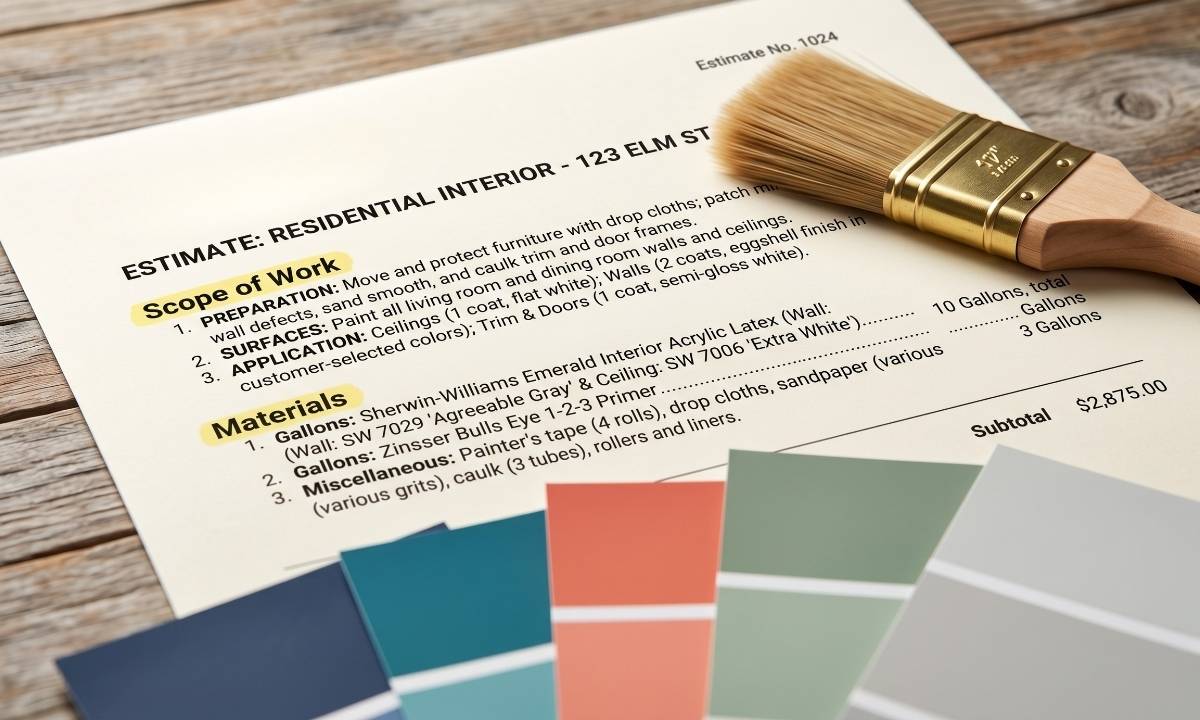
The difference between a rough estimate and a binding, detailed quote is monumental. An estimate is simply an educated guess based on a quick visual assessment. A professional painting quote, on the other hand, is a formal document that outlines the exact costs, materials, and labor required to complete your project. It serves as a mutual agreement-a contract-between you and the painting contractor.
When a contractor hands you a comprehensive house painting contract, they are demonstrating transparency, professionalism, and accountability. Without a detailed breakdown, you leave yourself vulnerable to corner-cutting, lower-quality materials, and escalating costs. The best contractors want you to understand their pricing because it justifies the quality of their work. At Caleb’s Creations, we believe that transparency is the foundation of a successful working relationship, which is why we always provide itemized, crystal-clear proposals.
Key Elements of a Painting Estimate Breakdown
Understanding the anatomy of a quote is essential for making an informed decision. A comprehensive painting estimate breakdown should leave no room for ambiguity. Here are the core components that must be present on any legitimate quote.
1. Company Information, Credentials, and Insurance
Before looking at any numbers, verify who you are doing business with. A professional document will clearly display the company’s name, physical address, phone number, and email. Furthermore, it should list their contractor license number (if applicable in your state) and explicitly state their insurance coverage.
Never hire a painter who cannot provide proof of General Liability and Worker’s Compensation insurance. If a painter falls off a ladder on your property and they are not insured, you could be held financially liable for their medical bills.
2. Complete Scope of Work
This is arguably the most critical section of the document. The scope of work defines exactly what is being painted and, equally importantly, what is not being painted. It should specify:
- Which rooms or exterior elevations are included.
- Specific surfaces to be painted (e.g., walls, ceilings, baseboards, crown molding, doors, window casings).
- Any areas excluded from the project (e.g., “inside of closets are not included”).
If you are requesting interior house painting, the quote should break down the project room by room. Ambiguity in the scope of work is the number one cause of disputes between homeowners and contractors.
3. Surface Preparation Details
Professional painters know that a beautiful, long-lasting finish is 70% preparation and 30% application. If your quote simply says “prep and paint,” that is a major red flag. Surface preparation should be detailed and specific. Look for the following actions to be explicitly listed:
- Washing and degreasing surfaces.
- Scraping loose and peeling paint.
- Caulking gaps around trim, windows, and doors.
- Patching holes, skimming drywall, and sanding rough spots.
- Applying stain-blocking or bonding primers to bare or repaired areas.
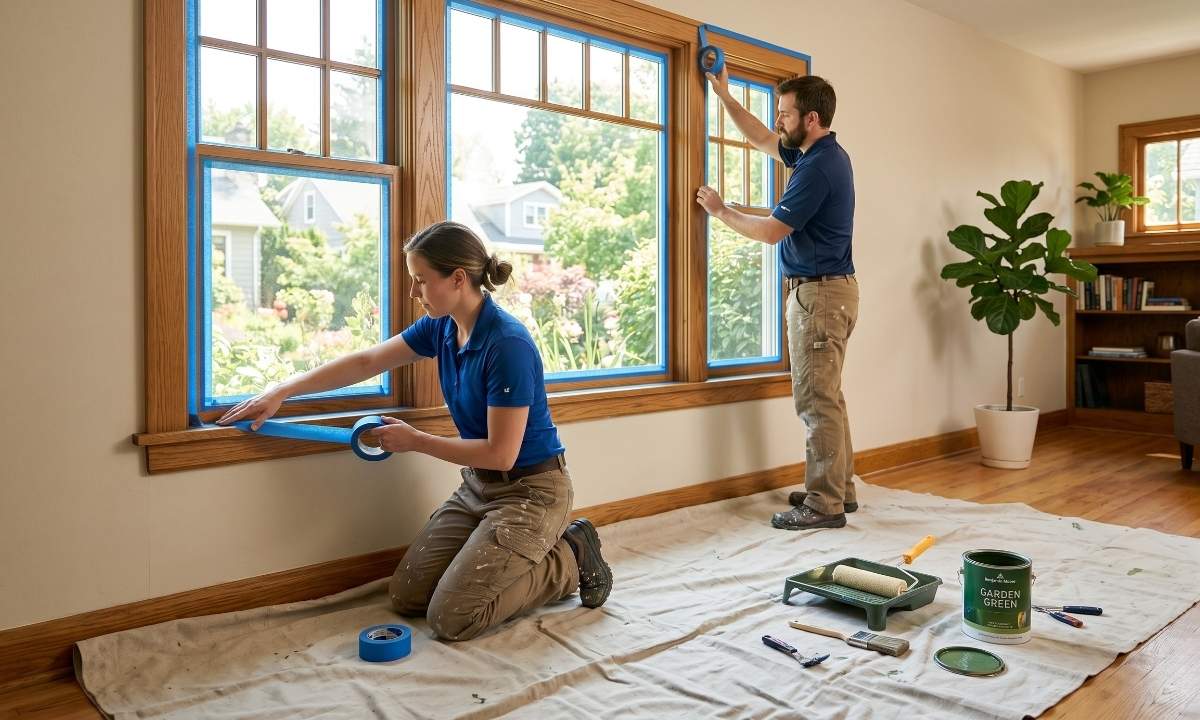
- Protecting furniture, floors, and landscaping with heavy-duty drop cloths and masking tape.
Proper prep work takes time, which is why cheaper quotes usually skip these vital steps. If you want a finish that lasts, do not compromise on surface preparation.
4. Materials and Paint Specifications
Not all paint is created equal. A $20 gallon of builder-grade paint will not perform, look, or last like an $80 gallon of premium paint. A reliable professional painter estimate will specify the exact brand, product line, and finish (sheen) being used for every surface.
For example, instead of saying “Premium Sherwin-Williams paint,” the quote should specify: “Walls to receive two coats of Sherwin-Williams Emerald Interior Acrylic Latex, Eggshell finish.” Furthermore, the quote should state who is responsible for purchasing the paint and whether the cost of materials is included in the final price or billed separately.
5. Labor Costs and Application Methods
While some contractors charge a flat rate for the entire project, others might calculate the painting cost per square foot. Regardless of how they calculate it, the quote should clearly state that labor is included. It should also outline the application method. Will the paint be brushed, rolled, or sprayed? Different methods yield different finishes and require varying amounts of time and material.
6. Timeline and Scheduling
When will the project start, and how long will it take? While weather can impact exterior projects, your contractor should provide a realistic timeline for completion. This section should also outline the daily working hours (e.g., 8:00 AM to 4:30 PM) so you know when to expect the crew on your property.
7. Payment Terms and Warranty Information
Never pay the full amount upfront. A standard practice is a deposit of 10% to 30% to secure your spot on the schedule and cover initial material costs, with the balance due upon completion and your final inspection. The payment schedule should be clearly outlined.
Additionally, the quote should include warranty information. A confident professional will guarantee their workmanship for a specific period (usually 1 to 3 years) against peeling, blistering, or chipping caused by improper application.
Comparing Professional Painting Quotes: A Structured Guide
When you receive multiple bids for your project, it can be tempting to simply look at the bottom line and choose the cheapest option. However, the lowest price often ends up being the most expensive choice in the long run if the work fails prematurely.
Use this comparison table to evaluate your quotes objectively:
| Feature to Evaluate | The “Too Good to Be True” Quote | The Professional Quote |
| Format | Handwritten on a notepad or brief email text. | Formal PDF or printed document with branding. |
| Insurance Proof | Verbal reassurance (“Trust me, I’m covered”). | Attached certificates of Liability & Worker’s Comp. |
| Preparation | Vague mention of “prep walls.” | Itemized list (caulk, sand, patch, prime, mask). |
| Paint Products | “High-quality paint.” | Exact brand, product line, and sheen specified. |
| Number of Coats | Not specified (usually means one heavy coat). | Explicitly states “Two finish coats.” |
| Warranty | No written guarantee. | Written warranty covering labor and peeling. |
| Payment Terms | Cash only, or asks for 50%+ upfront. | Reasonable deposit (10-30%), balance upon completion. |
Hidden Costs in Painting to Watch Out For
Even with a solid quote in hand, you should be aware of potential hidden costs in painting. A trustworthy contractor like Caleb’s Creations will bring these up during the initial walkthrough, but it is important to know what might trigger a change order:
- Lead-Based Paint: If your home was built before 1978, the existing paint may contain lead. EPA-mandated safe lead removal practices require special equipment, training, and disposal methods, which will increase the cost.
- Extensive Drywall Repair: Minor nail holes are usually included in standard prep. However, if the crew discovers extensive water damage, large cracks, or failing plaster once they start, repairing it will incur extra charges.
- Rotten Wood: For exterior painting services, painters often uncover wood rot on fascia boards, window sills, or siding. Paint will not adhere to rotten wood, so carpentry repairs must be billed and completed first.
- High Ceilings and Difficult Access: Vaulted ceilings, stairwells, or steep rooflines require scaffolding, special ladders, and extra safety precautions, which take more time and labor.
- Color Changes: Transitioning from a very dark color to a light color (or vice versa) often requires a tinted primer and an extra coat of premium paint to achieve full coverage, increasing both material and labor costs.
- Moving Heavy Furniture: If a room is full of heavy, fragile, or complex furniture that the crew must move and protect before they can start, you may see a line item for labor associated with room clearing.
The Importance of a Professional Walkthrough
You cannot receive an accurate professional painting quote over the phone. Every house settles differently, gets exposed to different sunlight, and has different architectural quirks. A professional contractor must physically walk through your space, measure the square footage, inspect the current condition of the surfaces, and discuss your specific goals.
During this walkthrough, pay attention to the contractor’s behavior. Are they asking detailed questions? Are they taking measurements? Are they discussing color consultation options with you? A contractor who spends 30 minutes carefully assessing your home is far more likely to deliver an accurate quote than one who gives you a number after a five-minute glance.
What to Do Once You Accept a Quote
Once you have reviewed the painting estimate breakdown, compared your options, and decided to move forward, there are a few final steps to finalize the process:
- Sign a Written Contract: The quote itself should serve as the contract once signed by both parties. Ensure all verbal agreements made during the walkthrough are written into the document.
- Confirm the Schedule: Lock in your start date and expected completion date.
- Prepare Your Home: While professional painters handle masking and drop cloths, you can speed up the process by removing small fragile items, taking down wall art, and clearing clutter from the work areas.
- Establish Communication: Determine who the project manager or crew leader will be and how they will communicate daily progress with you.
By insisting on a comprehensive, transparent quote, you are setting the stage for a smooth, stress-free home improvement project that results in a beautiful, durable finish.
Frequently Asked Questions (FAQ)
What is a normal deposit for a house painter?
A standard and reasonable deposit for a professional painting contractor ranges from 10% to 30% of the total project cost. This covers the initial purchase of paint and materials and secures your spot on their schedule. Be wary of contractors demanding 50% or more upfront.
How do you calculate the painting cost per square foot?
Painters calculate cost by measuring the actual square footage of the surfaces being painted (walls, ceilings, trim), not just the floor plan. They factor in the cost of materials, the time required for prep work, and the labor rate. On average, you can expect interior painting to cost between $2 to $6 per square foot of paintable surface, depending on the complexity and local labor rates.
Should a painting quote include the cost of paint?
Yes, a professional quote should almost always include the cost of the paint and sundries (tape, plastic, caulk). However, the quote should explicitly state this. It should detail the specific brand, product line, and sheen that will be purchased and applied by the contractor.
What happens if the painters find damage during the job?
If a contractor discovers unforeseen issues like wood rot, severe drywall damage, or water leaks after the project begins, they should immediately pause work in that area and notify you. They will then draft a “change order” detailing the extra work required and the associated cost, which you must approve before they proceed.
Do I need to sign a house painting contract?
Absolutely. A signed contract protects both you and the painter. It ensures you get exactly what you are paying for at the agreed-upon price, and it guarantees the contractor gets paid for their labor and materials upon successful completion of the job.
Conclusion
A professional painting quote is much more than just a price tag; it is the blueprint for your entire home improvement project. By demanding an itemized residential painting proposal that clearly outlines the scope of work, surface preparation, material specifications, and labor details, you protect your home and your wallet. You eliminate the guesswork, avoid hidden fees, and guarantee that the final result will be a flawless, long-lasting finish.
Never settle for vague promises or handshake deals when it comes to your property. Take the time to review the painting estimate breakdown, verify credentials, and ensure you are comparing apples to apples. When you know exactly what goes into a comprehensive estimate, you empower yourself to hire the best possible team for the job.
Are you ready to transform your home with a team you can trust? At Caleb’s Creations, we pride ourselves on delivering detailed, transparent, and highly accurate quotes so there are never any surprises. Whether you need cabinet refinishing, exterior updates, or a full interior makeover, we are here to help. Request a free estimate today, and let us show you what true professionalism looks like.