
Transforming your home with a fresh coat of paint is an exciting project, but finding the right contractor can quickly become overwhelming. Whether you are updating a single room or revitalizing your home’s entire exterior, hiring a painter in York Region requires careful research to ensure you get flawless results. A professional touch can significantly boost your property’s value, but hiring the wrong crew can lead to sloppy finishes, hidden costs, and endless frustration. To help you navigate this process and secure the best talent for your home, we have compiled the ultimate checklist of questions you need to ask before signing any contracts.
Why Hiring a Painter in York Region Requires Due Diligence

York Region boasts a diverse range of homes, from heritage properties in Newmarket to modern builds in Vaughan and Markham. Each of these homes presents unique architectural challenges and specific maintenance requirements. Furthermore, the local climate-characterized by freezing, snowy winters and hot, humid summers-demands high-quality materials and expert application techniques to prevent premature peeling and fading.
When you are hiring a painter in York Region, you are not just paying for color on a wall; you are investing in surface protection and long-term durability. Asking the right questions filters out inexperienced hobbyists and helps you identify dedicated professional painters in York Region who understand local building codes, proper preparation standards, and the best products for the Southern Ontario climate.
The 10 Essential Questions to Ask Before Hiring a Painter in York Region
To protect your home and your wallet, always conduct a thorough interview with your prospective contractors. Here are the top ten questions you must ask during your initial consultation.
1. Are you fully licensed and insured?
This is the non-negotiable first question. Any reputable contractor must carry comprehensive liability insurance and workers’ compensation coverage (such as WSIB in Ontario). Liability insurance protects you if the painter accidentally damages your property-for instance, if they spill paint on your expensive hardwood floors.
Workers’ compensation protects you from being held legally responsible if a painter is injured while working on your property. Always ask to see physical proof of these documents. A legitimate company like Calebs Creations will gladly provide this documentation during the quoting process.
2. Can you provide a list of local references?
A strong track record is the best indicator of future success. Ask the contractor for a list of at least three past clients in York Region who had similar projects completed.
When you contact these references, ask specific questions:
- Did the crew show up on time?
- Were there any unexpected costs?
- How did the final result look?
- Would you hire them again?
You should also look at our portfolio of recent projects or check third-party review sites to verify their consistency and reputation.
3. What specific brands and grades of paint do you use?10 Crucial Questions to Ask Before Hiring a Painter
Not all paints are created equal. Even top-tier brands have budget lines that lack the durability and coverage of their premium counterparts. Your contractor should be transparent about the exact brand, line, and finish they intend to use.
For the best results, look for contractors who use premium products from trusted brands like Sherwin-Williams or Benjamin Moore. High-quality paints offer better washability, stronger color retention, and longer lifespans. If you have a busy household, inquire about zero-VOC or low-VOC options for better indoor air quality.
4. Who will actually be performing the work?
Many large companies act as lead generators, selling your contract to sub-contractors once you sign. This can lead to a massive disconnect in quality, communication, and accountability.
You need to know who will be showing up at your door. Ask if the company uses their own trained employees or if they rely on day laborers. Companies that use dedicated, in-house crews generally provide much higher quality control and more reliable professional interior painting services.
5. What is your surface preparation process?
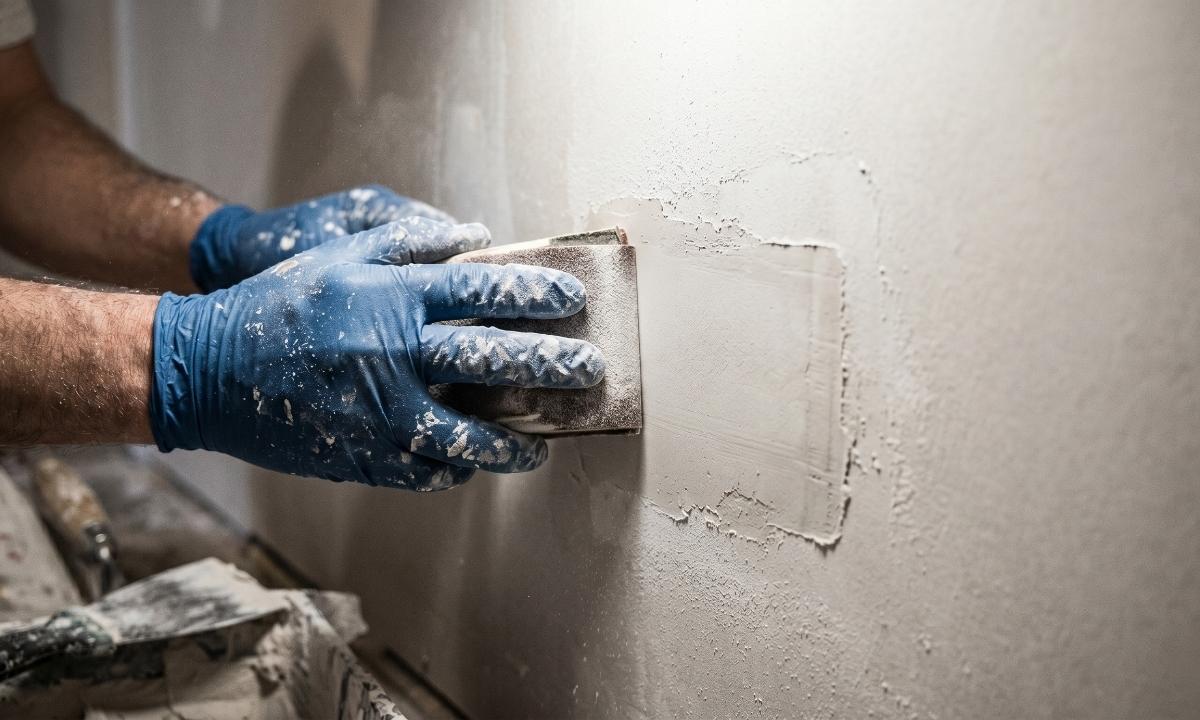
The secret to a beautiful, long-lasting paint job lies entirely in the prep work. If a painter tells you they just wipe the wall and start rolling, run the other way. Proper preparation often takes as much time as the painting itself.
A thorough preparation process should include:
- Washing walls to remove dirt and grease
- Scraping away loose or flaking paint
- Filling holes, cracks, and dents with high-quality compound
- Sanding patched areas until smooth
- Applying the correct primer to bare or patched spots
6. Do you offer a written warranty or guarantee?
A confident contractor stands behind their work. Ask if they provide a formal warranty against peeling, blistering, or chipping.
Most reliable exterior painting contractors will offer a minimum of a one-to-three-year warranty on labor and materials. Be sure to ask what is specifically excluded from the warranty, such as damage caused by structural settling or extreme weather events, and ensure the guarantee is documented in writing.
7. What is the estimated timeline for the project?
You need to know how long your home will be a construction zone. Ask for a realistic start date and an estimated completion date.
While weather delays are unavoidable for exterior projects, interior timelines should be relatively strict. Discuss their daily working hours, what happens if the project runs longer than expected, and whether they work continuously until the job is done or juggle multiple projects at once.
8. How will you protect my furniture and property?
Painting can be messy, and your belongings need to be safeguarded. Ask the contractor to detail their containment strategy.
Professional painters will use clean drop cloths on floors, plastic sheeting over heavy furniture, and precise masking tape around baseboards, windows, and fixtures. They should treat your home with the utmost respect, ensuring no stray splatters end up on your carpets or appliances.
9. What is explicitly included in the written estimate?
Never accept a verbal quote. You need a detailed, itemized contract that breaks down the entire scope of the project. This prevents “scope creep” and surprise invoices later on.
A professional estimate should include:
- The exact areas to be painted (e.g., walls, ceilings, trim, doors)
- The specific brand, color, and finish of the paint
- The number of coats to be applied (a minimum of two is standard)
- Labor and material costs
- Clean-up and disposal procedures
Before you sign, always request a detailed estimate so you can compare “apples to apples” when looking at different contractors.
10. How is cleanup and final inspection handled?
At the end of the project, your home should look flawless, with no trace of the contractors except for beautifully painted walls. Ask how daily and final cleanups are managed.
Furthermore, the contractor should schedule a final walk-through with you. This allows you to inspect the work under different lighting conditions and point out any required touch-ups before you hand over the final payment.
Comparing Professional Painters vs. DIY
You might be tempted to save money by doing the painting yourself. However, when you factor in the value of your time and the cost of premium materials, hiring a professional often makes the most sense.
| Factor | DIY Painting | Professional Painters (Calebs Creations) |
| Time Investment | Takes multiple weekends; disrupts daily life. | Completed quickly and efficiently by a full crew. |
| Quality of Finish | Visible roller marks, missed spots, or poor edging. | Flawless, smooth finish with perfectly straight cut-ins. |
| Prep Work | Often rushed, leading to peeling down the road. | Extensive patching, sanding, and priming for longevity. |
| Tools & Equipment | Requires buying expensive ladders, rollers, and tape. | Professionals bring commercial-grade equipment and sprayers. |
| Safety Risks | High risk of falls when working on ladders or stairs. | Fully insured and trained for safe high-reach work. |
Frequently Asked Questions
How much does it cost to hire a painter in York Region?
The cost varies based on the square footage, the condition of the walls, and the height of the ceilings. On average, you can expect to pay between $3 to $5 per square foot for professional interior painting, though high-end custom work or extensive repairs will increase the price.
Do I need to move all my furniture before the painters arrive?
Most professional painters ask that you remove fragile items, electronics, and wall hangings. However, the painting crew will typically handle moving heavy furniture to the center of the room and covering it with protective plastic sheeting.
Should I buy the paint myself to save money?
It is generally better to let your contractor purchase the paint. Professional painters get significant contractor discounts at major paint supply stores, and they know exactly how much product is required, eliminating the risk of buying too much or running out mid-project.
How many coats of paint are standard?
A high-quality paint job almost always requires a minimum of two coats of paint to ensure accurate color depth and maximum durability. Drastic color changes (like going from dark red to light gray) may require a tinted primer followed by two topcoats.

Conclusion
Finding the perfect contractor does not have to be a stressful gamble. By taking the time to ask these 10 crucial questions, you can easily weed out the amateurs and find a team that delivers exceptional results. Remember that the cheapest quote is rarely the best value. Focus on finding a fully insured, communicative, and detail-oriented company that takes surface preparation and high-quality materials seriously.
If you are ready to revitalize your home with a flawless new look, trust the experts who put quality and customer satisfaction first. Contact Calebs Creations today to schedule your consultation and discover how our professional painting services can transform your York Region property.