

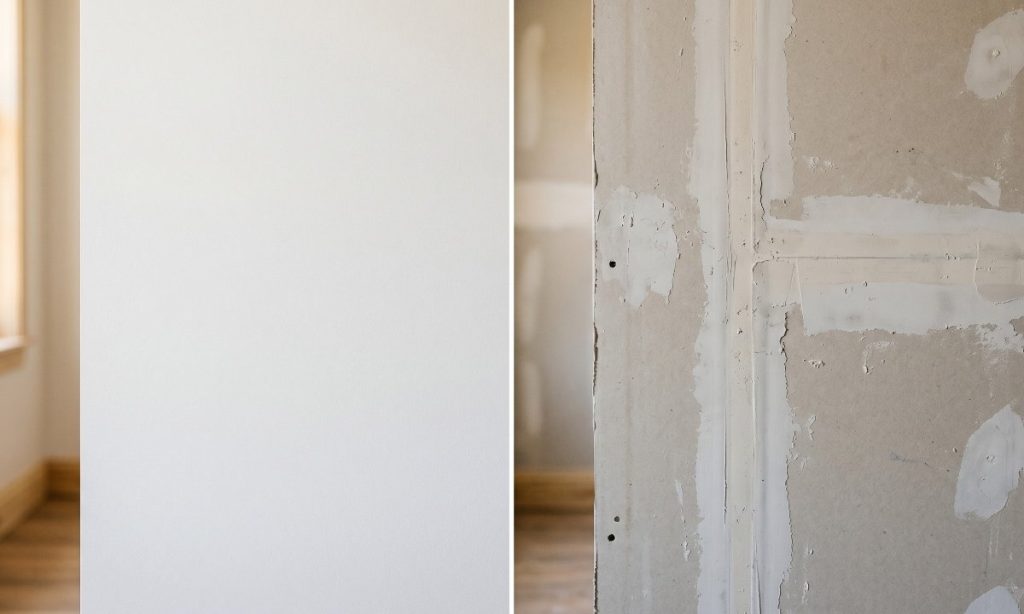


Your deck takes a beating every single season. UV rays, rain, snow, and foot traffic steadily strip away its natural beauty and structural integrity. The right deck stain or sealer is your first line of defence – but choosing between a solid stain, semi-transparent stain, and clear sealer can feel overwhelming. Each finish performs differently, looks different, and suits different types of wood and different homeowner goals. This guide breaks down all three options in plain language so you can make a confident, informed decision before you pick up a brush.
What Is a Deck Stain and Why Does It Matter?
A deck stain is a penetrating or film-forming finish applied to wood to protect it from the elements while enhancing its appearance. Unlike paint, most stains soak into the wood fibres rather than sitting on top, which helps prevent peeling and cracking over time.
Why does the choice matter so much?
- The wrong finish on weathered or damaged wood can fail within a single season.
- Overly opaque finishes can trap moisture on wood that needs to breathe.
- Choosing a finish that doesn’t match your wood’s condition means more prep work, faster re-coating, and wasted money.
The three main categories – solid stain, semi-transparent stain, and clear sealer – each occupy a different spot on the opacity and protection spectrum. Understanding where each one sits is the key to making the right call.
Solid Stain: Maximum Colour, Maximum Coverage
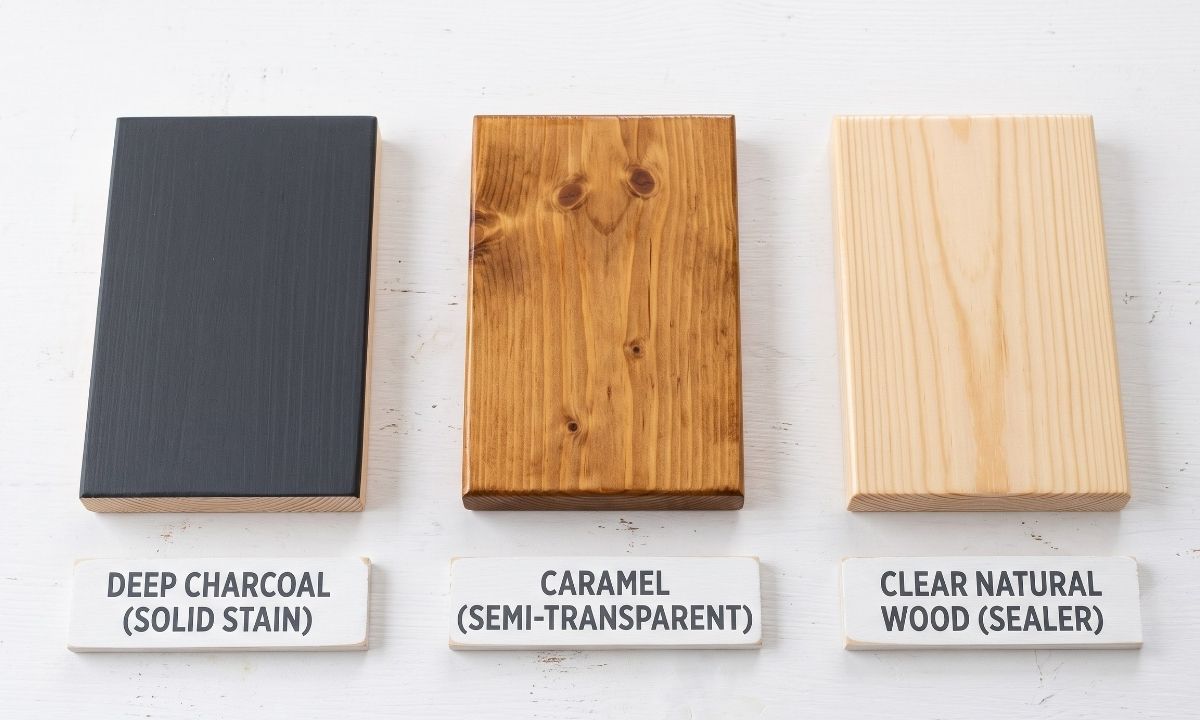
A solid deck stain is the most opaque of the three options. It covers the wood’s grain almost entirely, much like a thin coat of paint, while still allowing some texture to show through. It’s film-forming, meaning it sits on top of the wood surface rather than soaking in deeply.
When Solid Stain Is the Right Choice
Solid stain is best suited for:
- Older or weathered decks with grey, cracked, or uneven wood that you want to hide
- Pressure-treated lumber that has had time to dry and cure
- Previously painted or solidly stained decks where you want to maintain an opaque look
- Homeowners who want a bold, uniform colour to match their home’s exterior palette
Because it delivers full colour coverage, solid stain essentially transforms the visual character of a deck. It hides imperfections effectively and is available in a wide range of colours, giving you far more design flexibility than a transparent option.
Durability and Recoating
Solid stain is the longest-lasting option in terms of colour retention, typically lasting 3–5 years on horizontal deck surfaces with proper prep and application. However, because it forms a film on the surface, it is prone to peeling, flaking, and chipping over time – especially on flat surfaces that collect standing water.
Key trade-offs of solid stain:
| Feature | Solid Stain |
| Wood grain visibility | None / minimal |
| Best for | Aged, weathered, or damaged wood |
| Typical lifespan | 3–5 years |
| Risk of peeling | Higher than penetrating finishes |
| Colour options | Widest range |
| Prep requirements | High (stripping old finish may be required) |
When it’s time to recoat a solid-stained deck, you’ll generally need to strip or sand back the old film before applying fresh product – which is more labour-intensive than refreshing a penetrating stain.
Semi-Transparent Stain: The Best of Both Worlds
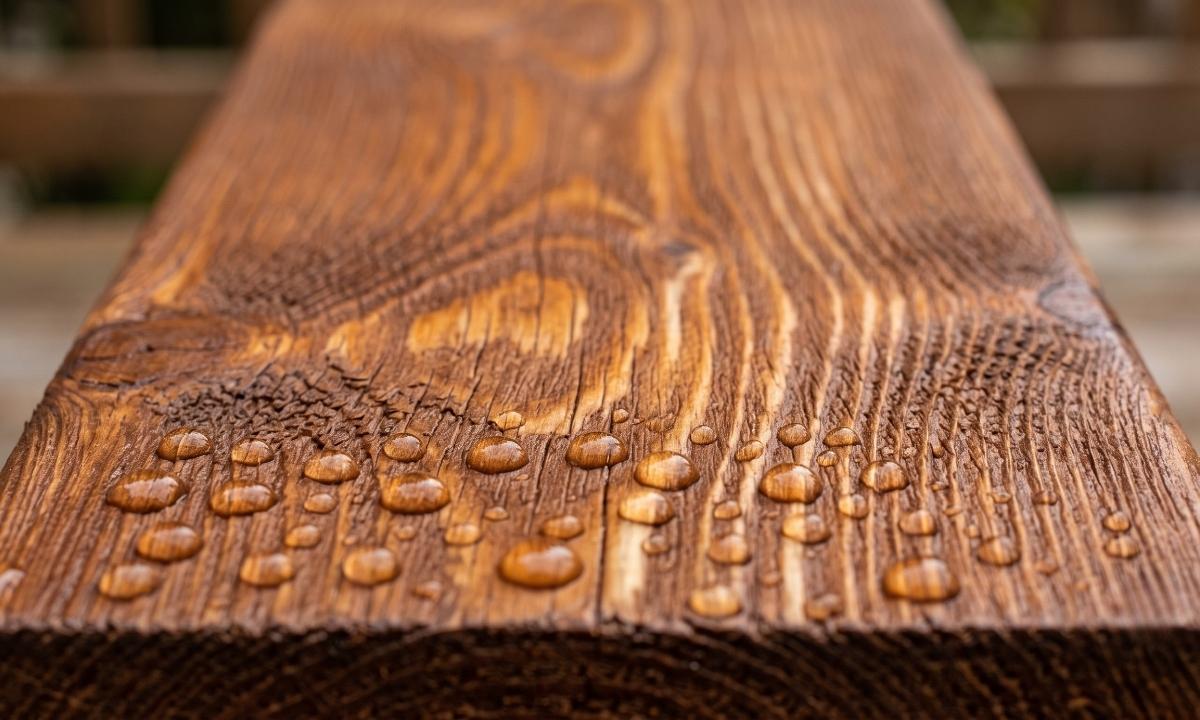
A semi-transparent deck stain sits in the middle of the spectrum. It allows the wood’s natural grain and texture to show through while still delivering meaningful UV protection and colour enhancement. It penetrates the wood fibres rather than forming a film on top.
When Semi-Transparent Stain Is the Right Choice
Semi-transparent stain is ideal for:
- Newer or moderately weathered decks with wood that still has attractive grain and texture worth showcasing
- Decks made from cedar, redwood, or pressure-treated pine with visible character
- Homeowners who want some colour tint without hiding the natural beauty of the wood
- Anyone looking for a lower-maintenance finish that won’t peel
Because it penetrates into the wood rather than forming a surface film, semi-transparent stain ages more gracefully. It wears away gradually rather than peeling, which makes re-application far simpler – you can often apply a fresh coat directly over the existing finish without stripping.
Durability and Recoating
Semi-transparent stain typically lasts 2–4 years on deck surfaces, depending on sun exposure, foot traffic, and climate. Decks in harsh climates or with full sun exposure will need refreshing more frequently.
Key trade-offs of semi-transparent stain:
| Feature | Semi-Transparent Stain |
| Wood grain visibility | High – grain clearly shows |
| Best for | New to moderately weathered wood |
| Typical lifespan | 2–4 years |
| Risk of peeling | Low (penetrating formula) |
| Colour options | Moderate range of tints |
| Prep requirements | Moderate (cleaning and light sanding) |
If your deck has sound, attractive wood and you want to preserve its natural character while adding colour and protection, semi-transparent stain is the most popular choice among professional deck finishers for good reason.
Clear Sealer: Pure Protection, No Colour
A clear deck sealer provides the most natural look of all three options. It’s essentially transparent – it goes on clear or with a very slight amber tint and repels water and moisture without altering the wood’s appearance significantly.
When a Clear Sealer Is the Right Choice
Clear sealer works best for:
- Brand-new decks where you want to preserve the wood’s fresh, natural appearance
- High-quality hardwoods like ipe, teak, or mahogany where the natural colour is the main feature
- Homeowners who strongly prefer the wood’s natural look and don’t want any colour alteration
- Interior deck spaces or covered pergolas with limited direct sun and rain exposure
Clear sealers are the least durable option for horizontal outdoor surfaces. Without pigment, they offer very little UV protection – UV rays will grey and degrade the wood beneath the sealer faster than with any stained finish.
Durability and Recoating
Clear sealers typically last 1–2 years on a full-sun deck and require the most frequent re-application of the three options. They’re best thought of as a short-term protection and maintenance product rather than a long-lasting finish.
Key trade-offs of clear sealer:
| Feature | Clear Sealer |
| Wood grain visibility | Complete – fully natural appearance |
| Best for | New wood or premium hardwoods |
| Typical lifespan | 1–2 years |
| UV protection | Low (no pigment to block UV) |
| Colour options | None / natural only |
| Prep requirements | Low to moderate (cleaning required) |
Solid Stain vs. Semi-Transparent vs. Clear Sealer: Side-by-Side Comparison
| Feature | Solid Stain | Semi-Transparent | Clear Sealer |
| Opacity | Fully opaque | Partially transparent | Fully clear |
| Grain visibility | None | High | Complete |
| UV protection | Excellent | Good | Poor |
| Water resistance | Good | Good | Excellent (short-term) |
| Durability | 3–5 years | 2–4 years | 1–2 years |
| Peeling risk | Higher | Low | Low |
| Recoat ease | Difficult | Easy | Easy |
| Best wood condition | Old / damaged | New to moderate | New / premium |
How to Choose the Right Deck Finish for Your Wood’s Condition
The single most important factor in your decision is the current condition of your deck wood. Before you choose a finish, assess your deck honestly:
- Run the water bead test. Splash water on the bare wood. If it beads up immediately, the wood is still protected and may just need a clean and re-coat. If it absorbs quickly, the wood is dry and open and needs a full finishing treatment.
- Check for grey, cracked, or splintering wood. Heavy weathering points toward solid stain, which will cover damage effectively.
- Look at your existing finish. If you have old solid stain, you’ll need to stay with solid stain. Switching to a penetrating finish over a film-forming one won’t work without complete stripping.
- Consider your maintenance tolerance. If you don’t want to refinish often, lean toward solid stain. If you’re happy to recoat every 2–3 years but want easy prep, semi-transparent stain is your friend.
- Think about aesthetics. Do you love the natural look of the wood? Semi-transparent or clear is your answer. Want a specific colour to match your home? Go solid.
The Role of Surface Preparation in Deck Staining
No matter which finish you choose, surface preparation is the single biggest factor in how long it lasts. Skipping prep is the number-one reason deck stains fail prematurely.
Proper preparation includes:
- Cleaning: Use a deck cleaner or pressure washer to remove dirt, mildew, algae, and old finish residue.
- Brightening: A wood brightener restores the natural pH and opens the wood grain for better stain penetration.
- Sanding: Light sanding smooths raised grain and rough spots for a cleaner finish.
- Drying: Wood must be completely dry before staining – typically 48–72 hours after washing.
At Caleb’s Creations, our deck staining process always begins with thorough surface preparation because a premium stain applied to a poorly prepped surface will fail just as fast as a budget product. The finish is only as good as the foundation beneath it.
How Climate Affects Your Deck Stain Choice
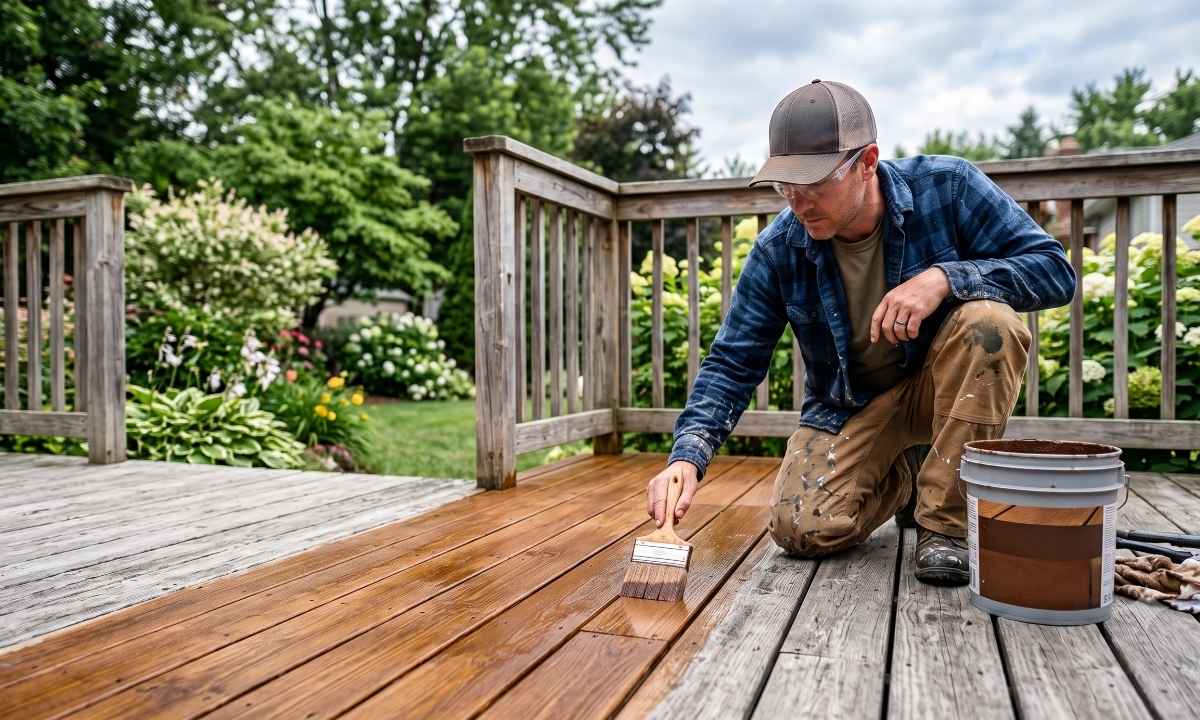
If you’re in Ontario – where summers bring heat and humidity and winters deliver snow, ice, and freeze-thaw cycles – your deck takes punishment from all angles. Here’s how climate factors into your choice:
- High UV exposure: Opt for solid or semi-transparent stain, which both contain pigments that block damaging UV rays. Clear sealers leave wood vulnerable to UV graying.
- Heavy rainfall and humidity: Water-repellent formulas matter. Look for stains with added water-repellent agents, especially for flat deck boards where water can pool.
- Freeze-thaw cycles: Penetrating stains (semi-transparent) handle freeze-thaw better than film-forming solid stains, which are more prone to cracking and peeling when the wood expands and contracts.
- Shaded decks: Shaded surfaces are more susceptible to mould and mildew. Choose a formula with mildewcide additives regardless of which opacity level you go with.
FAQ: Deck Stain Questions Answered
Can I apply a semi-transparent stain over an old solid stain?
No – not without complete stripping first. Semi-transparent and clear penetrating stains need to absorb into bare wood to work properly. If you apply them over a film-forming solid stain, they’ll sit on the surface, won’t bond, and will fail quickly. You must strip or sand the old solid stain down to bare wood before switching to a penetrating finish.
How often does a deck need to be restained?
It depends on the finish type, sun exposure, and foot traffic. As a general guideline: clear sealers last 1–2 years, semi-transparent stains last 2–4 years, and solid stains last 3–5 years. Decks in full sun or harsh climates will fall toward the lower end of those ranges. Perform the water bead test annually to gauge when your deck needs attention.
Is it better to hire a professional or stain my deck myself?
DIY staining is possible for small, simple decks in good condition. However, professional deck staining delivers significantly better results on larger decks, weathered wood, or decks requiring stripping and prep work. Professionals have the equipment, product knowledge, and application techniques to ensure even coverage, proper penetration, and a finish that lasts. A poorly applied DIY job can mean re-doing the work within a year.
What’s the difference between deck stain and deck paint?
Deck paint forms a thick, opaque film on the surface, completely hiding the wood. It generally lasts longer than stain in terms of colour but is highly prone to peeling and cracking on horizontal surfaces. Deck stain – even solid stain – is thinner, penetrates the wood better, and is formulated specifically for the expansion and contraction that outdoor wood experiences. For most residential decks, stain is the preferred professional choice over paint.
Can I apply deck stain in any weather?
No. Temperature and humidity matter significantly. Most stains should be applied when temperatures are between 10°C and 30°C (50°F–85°F) and when no rain is expected for at least 24–48 hours. Avoid application in direct hot sun, which causes the stain to dry too quickly and can result in lap marks and uneven absorption. Early morning or late afternoon application on mild days typically produces the best results.
Conclusion: Matching the Right Finish to Your Deck
Choosing between a solid stain, semi-transparent stain, and clear sealer doesn’t have to be complicated when you know what to look for.
- Choose solid stain if your deck is older, weathered, or damaged and you want full colour coverage and maximum hiding power.
- Choose semi-transparent stain if your deck has good-looking wood you want to show off while still adding colour and UV protection.
- Choose clear sealer if your deck is brand new or made from a premium hardwood and you want to preserve its natural appearance – just be ready to reapply more frequently.
Above all, invest in proper surface preparation before any staining project. The best stain in the world won’t perform on a dirty, grey, or improperly prepped deck.
At Caleb’s Creations, we take the guesswork out of deck finishing. Our team assesses your deck’s condition, recommends the right product for your wood and climate, and handles every step – from cleaning and prep to final application – so your deck looks beautiful and stays protected for years to come.
Ready to give your deck the finish it deserves? Contact Caleb’s Creations today for a free consultation and quote.