
You’ve got the paint, you’ve got the brushes, and you’re ready to transform a room. Skipping primer feels like a harmless shortcut – after all, paint goes on paint, right? Wrong. Skipping primer is one of the most common and costly painting mistakes homeowners make. It doesn’t just affect how the colour looks on day one – it quietly destroys paint adhesion, creates costly callbacks, and can leave your walls looking worse than before you started. Here’s exactly what happens when primer gets left out of the equation.
What Does Primer Actually Do?
Before we get into the consequences, it’s worth understanding why primer exists in the first place.
Primer is not just “watered-down paint.” It’s a specially formulated bonding agent designed to:
- Seal porous surfaces like fresh drywall, bare wood, and masonry
- Create a uniform surface so paint colour applies evenly
- Improve paint adhesion so topcoats grip the wall instead of sliding over it
- Block stains and tannins from bleeding through your finish coat
- Reduce the number of topcoats needed for full, even coverage
Think of primer as the foundation of your paint job. Without it, even the most expensive paint in the world has nothing reliable to hold onto.
What Happens When You Skip Primer: 7 Real Consequences
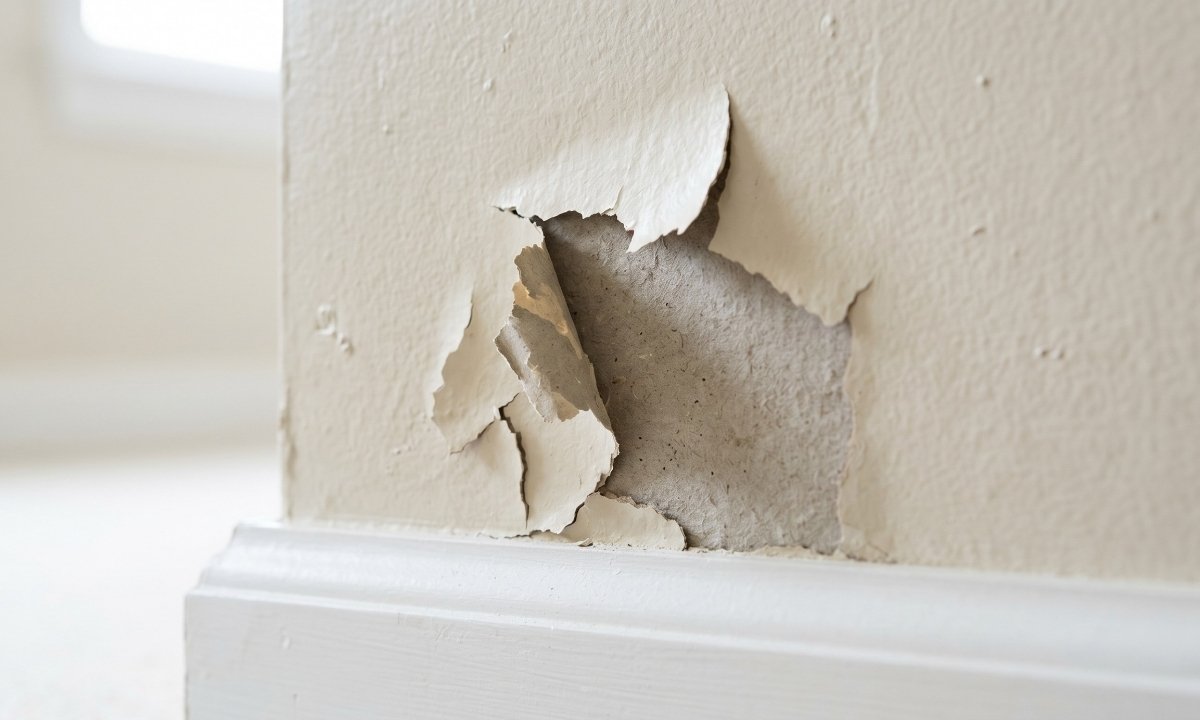
1. Poor Paint Adhesion Leads to Peeling and Flaking
The most immediate consequence of skipping primer is compromised paint adhesion. Paint needs a stable, slightly porous surface to bond to. When applied directly over a slick or overly smooth surface – like previously painted gloss, bare drywall, or repaired patches – the topcoat has nothing to grip.
Within weeks or months, you’ll see:
- Paint peeling away from corners and edges
- Flaking around trim and baseboards
- Large sheets of paint lifting off walls entirely
This is especially common in high-humidity areas like bathrooms and kitchens, where moisture further weakens the bond.
2. Uneven Colour and Blotchy Finish
Without primer, different areas of your wall absorb paint at different rates. Fresh drywall mud, older paint, and the original wall surface each behave differently – and paint can’t compensate for those inconsistencies on its own.
The result is a blotchy, patchy finish that looks unprofessional no matter how many coats you apply.
Common signs of a primer-free blotchy paint job:
- Dark patches where the wall absorbed more pigment
- Light, washed-out areas over repaired sections
- Visible lap marks and roller lines even after two or three coats
3. Stains Bleed Through
If your wall has water stains, smoke damage, crayon marks, or tannin bleed from raw wood, skipping primer means those stains will show through your finish coat – often within days.
Standard latex paint has almost no stain-blocking ability. Only a stain-blocking primer can chemically seal those contaminants beneath the surface.
This is especially important when painting over:
- Nicotine-stained walls
- Water-damaged ceilings
- Raw cedar, pine, or redwood (which bleed tannins heavily)
- Previously marked or crayon-covered children’s room walls
4. You’ll Use Far More Paint
Many homeowners skip primer to “save time and money” – but this logic backfires quickly. Without the base coat, you’ll need significantly more topcoat to achieve even, opaque coverage.
| With Primer | Without Primer |
| 1–2 topcoats for full coverage | 3–4+ topcoats often needed |
| Consistent colour on first coat | Patchy coverage through multiple coats |
| Primer cost: ~$30–$60 | Extra paint cost: $80–$150+ |
| Job time: predictable | Job time: extended significantly |
The math is clear – skipping primer costs more in the long run, both in materials and labour.
5. Paint Fails Faster on New Drywall
New drywall is one of the most critical surfaces to prime before painting. The paper facing and joint compound are highly porous and will soak up your first coat of paint like a sponge, leaving a dull, flat, uneven look known as “flashing.”
Flashing occurs when certain sections of drywall absorb paint faster than others, creating visible dull and shiny patches – even under proper lighting conditions.
The only fix for flashing is to prime properly and repaint. There is no shortcut after the fact.
6. Colour Changes Become Harder and More Expensive
Are you making a dramatic colour switch – say, from a deep charcoal to a pale cream? Skipping primer makes this exponentially harder.
Dark colours bleed through lighter ones. Without a grey or white primer base, you could apply five coats of your new colour and still see the old one underneath.
A single coat of tinted primer matched to your new colour can cut your topcoat needs in half and deliver a true, clean result – something paint alone simply cannot achieve.
7. Surface Damage Appears Sooner
Primer acts as a barrier between your topcoat and the wall surface below. Without it, your paint layer takes the full brunt of everyday wear and tear – scuffs, bumps, cleaning, and moisture.
Walls that weren’t primed properly:
- Show scuffs and scratches far more easily
- Deteriorate faster in high-traffic hallways, mudrooms, and kitchens
- Are harder to spot-clean without pulling off the finish
- Have a noticeably shorter repaint cycle
When Is It Acceptable to Skip Primer?
In a small number of scenarios, primer may not be strictly necessary:
- Painting the same colour over a clean, intact, well-adhered existing coat – if the sheen is flat or eggshell and the surface is in good condition, a self-priming paint may suffice.
- Using a quality paint-and-primer-in-one product – these work adequately on previously painted surfaces in good condition, though they don’t replace a dedicated primer on bare or problematic surfaces.
- Minor touch-ups on small areas where the existing finish is stable and well-bonded.
Even in these cases, a professional painter will still often apply a coat of primer to guarantee results. It’s cheap insurance against expensive callbacks.
The Right Primer for Every Surface
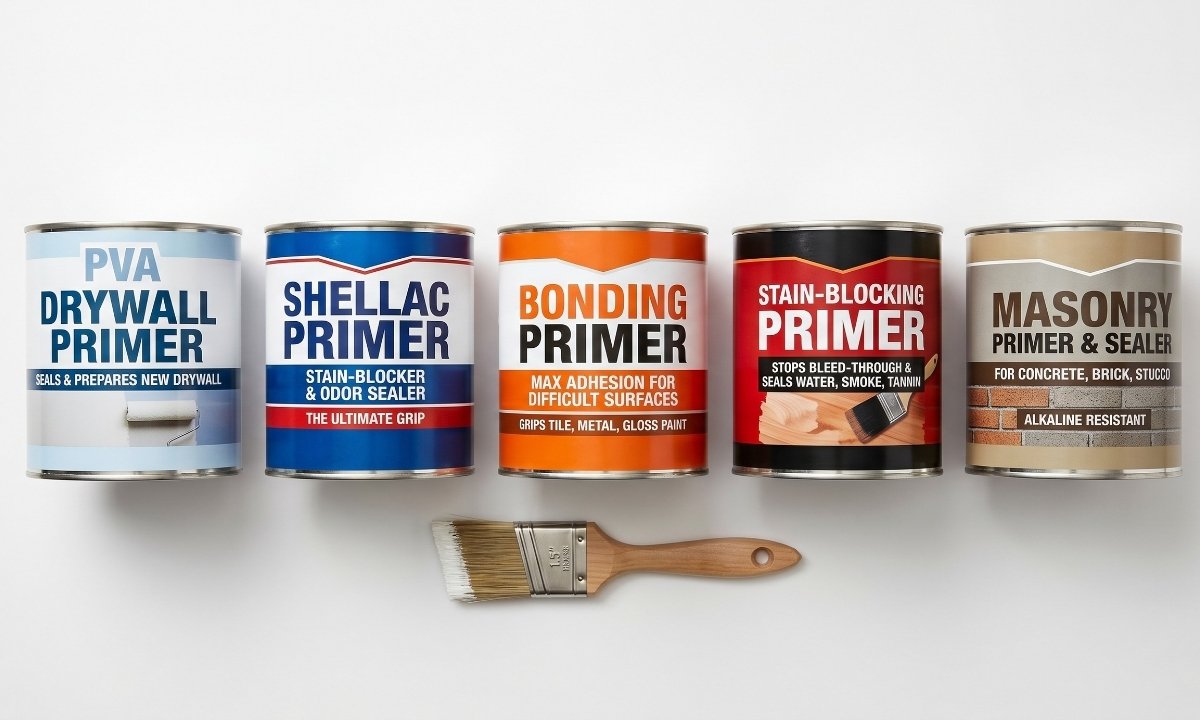
Not all primers are equal. Choosing the wrong type is nearly as bad as skipping it entirely.
| Surface | Best Primer Type |
| New drywall | PVA drywall primer |
| Bare wood | Oil-based or shellac primer |
| Water stains / smoke | Shellac or stain-blocking primer |
| Previously painted surface | Bonding primer |
| Masonry / brick | Masonry primer |
| Dark-to-light colour change | Tinted high-hide primer |
When in doubt, ask a professional. The wrong primer wastes just as much time and money as no primer at all.
How Skipping Primer Affects Paint Adhesion Long-Term
Paint adhesion isn’t just about whether your paint sticks on day one – it’s about how well it holds up over years of temperature changes, humidity cycles, cleaning, and UV exposure.
Studies by leading paint manufacturers show that properly primed surfaces can extend the life of a paint job by 3–5 years compared to unprimed surfaces. In climates with harsh winters or humid summers (like much of Ontario), this gap is even wider.
The chemistry is simple: primer penetrates the substrate and creates a mechanical bond. Paint alone sits on top of the surface. One grip. The other rests. Over time, the one that rests always loses.
FAQ: Skipping Primer and Paint Adhesion
Q: Can I use paint-and-primer-in-one instead of a separate primer? Paint-and-primer-in-one products work well on previously painted surfaces in good condition – they’re a reasonable time-saver in low-stakes situations. However, on new drywall, bare wood, stained surfaces, or when making dramatic colour changes, they simply don’t have the sealing power of a dedicated primer. For best results, use a true primer first.
Q: What happens if I paint over new drywall without primer? The drywall paper and joint compound absorb paint unevenly, causing a phenomenon called “flashing” – where patches of the wall look duller or shinier than others. The only fix is to apply primer and repaint. Skipping primer on new drywall is one of the most guaranteed ways to produce a poor-quality finish.
Q: Will skipping primer cause my paint to peel? Yes, eventually. Without the bonding foundation primer provides, paint adhesion is weakened and the topcoat is more likely to peel, flake, or bubble – especially in humid or high-traffic areas. The timeline varies, but failure is almost certain on bare or slick surfaces without primer.
Q: How many coats of primer do I need? For most interior walls in good condition, one coat of primer is sufficient. New drywall, heavily stained surfaces, or raw wood may require two coats. After the primer dries fully (typically 1–2 hours for latex, longer for oil-based), lightly sand before applying your topcoat for the best adhesion.
Q: Does primer colour matter? Yes – primer colour can significantly affect how many topcoats you need. White primer works well under light paint colours. Grey primer is better for dark or vibrant colours. Tinted primer matched to your topcoat colour is the most efficient option for dramatic colour changes.
Conclusion: Don’t Skip the Step That Makes Everything Else Work
Primer isn’t optional – it’s the step that makes every other part of your paint job perform. Skip it, and you’re setting yourself up for peeling, blotching, stain bleed, excess paint use, and a finish that fails years too soon. The cost of a can of primer is a fraction of what it takes to fix a paint job done without it.
Whether you’re repainting a bedroom, refreshing your exterior, or tackling new drywall after a renovation – always prime first.
At Caleb’s Creations, every interior and exterior paint job includes proper surface preparation – including priming – as a non-negotiable part of the process. We’ve seen firsthand what happens when primer gets skipped, and we make sure it never happens on our watch.
Ready for a paint job done right the first time? Contact Caleb’s Creations today for a free quote and see the difference professional prep work makes.