
Whether you’re refreshing a single bedroom or transforming your home’s exterior, hiring a professional painting service is one of the most impactful upgrades you can make. But before you pick up the phone and start requesting quotes, it pays to understand what you’re actually buying and why prices can vary so dramatically from one contractor to the next.
This guide breaks down everything you need to know about how much a painting service costs, what drives those costs up or down, and how to make sure you’re getting real value for your money, not just the lowest number on a piece of paper.
What Goes Into the Cost of a Painting Service?
Most people assume that painting costs are straightforward: buy some paint, charge for time, done. In reality, the final price on a painting quote reflects a layered set of inputs that vary significantly from job to job. Understanding what those inputs are is the first step to evaluating any estimate with confidence.
Why Two Quotes for the Same Job Can Look So Different
It’s not unusual to receive two quotes for the same project and find a difference of several hundred or even several thousand dollars between them. This happens because painters use different methods to calculate their prices, apply different standards for prep work, and use different quality materials. One contractor may price the room using a flat rate built on years of experience. Another may measure every wall precisely and calculate by paintable square footage. A third might offer a low number upfront while quietly skipping crucial preparation steps that will cost you later when the finish starts to peel.
The lowest quote is not always the best deal. The best quote is the one that reflects the full scope of work, uses quality materials, and is backed by a professional who can explain every line item.
The Three Core Cost Components: Materials, Labor, and Prep
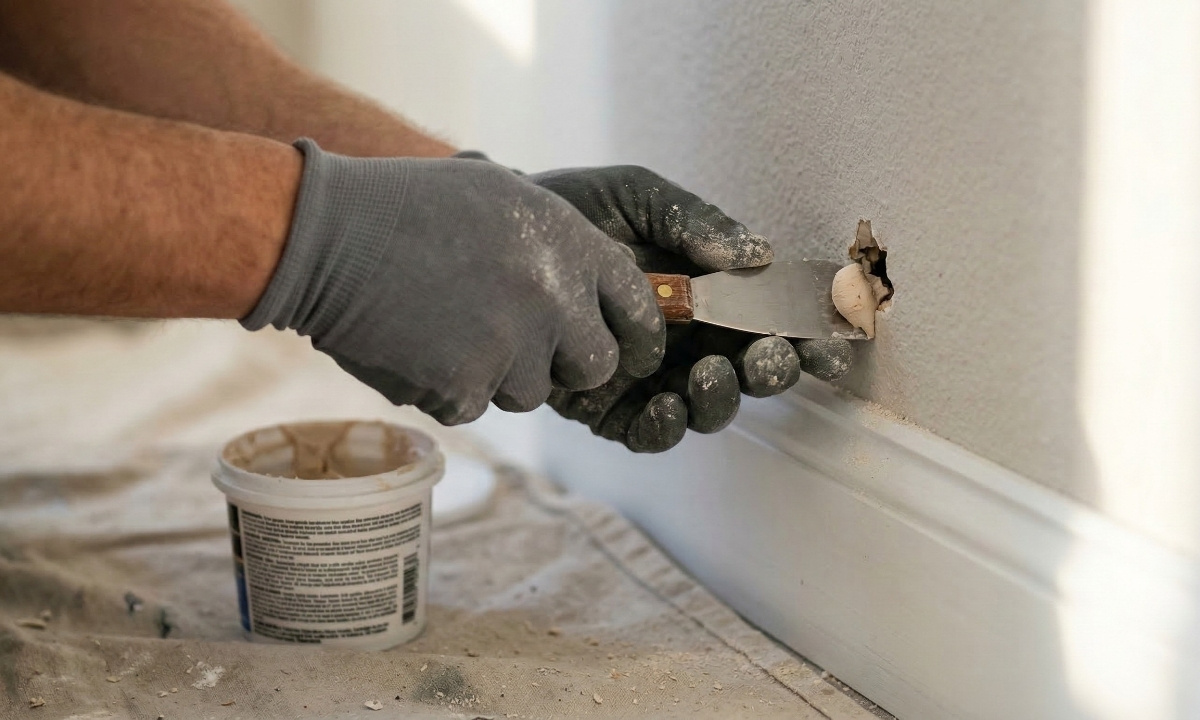
Every painting estimate, regardless of how it is packaged or presented, is built on three core components. First, there are materials like paint, primer, caulk, tape, drop cloths, and brushes. Second, and most significantly, there is labor. Professional painters typically account for 60 to 85 percent of a total project cost in labor alone. Third, and most commonly underestimated, is prep work the cleaning, sanding, patching, and priming that happens before a drop of finish paint ever hits the wall. Skipping or rushing prep is the single most common reason paint jobs fail ahead of schedule.
Interior vs. Exterior: How Project Type Changes the Price
Interior and exterior painting are priced differently for good reason they involve different challenges, materials, and timelines. Interior jobs require more precision, more cutting in around trim and fixtures, and more protection of furniture and flooring. They can take two to three times as many labor hours as an equivalent exterior surface area. Exterior jobs, on the other hand, involve weather-resistant paints, pressure washing, and working at heights, all of which add complexity and cost. Understanding which type of job you need is the essential starting point for any cost estimate.
Average Painting Service Costs by Project Type and Size
Painting costs vary widely based on what is being painted, how large the space is, and what is included in the scope of work. The figures below represent general market ranges and should be used as a starting point for budgeting, not as firm quotes. Your actual cost will depend on your location, the condition of your surfaces, and the specific painter you hire.
Cost to Paint a Single Room
For a single standard-sized room, most homeowners can expect to pay somewhere between $400 and $900 for a professional paint job covering walls only. Smaller spaces like bathrooms or hallways typically fall between $350 and $750, while larger rooms such as a master bedroom or open-plan living area can run from $600 to $1,800. These ranges generally include labor and materials but may not include ceilings or trim always confirm what is covered before accepting a quote.
Cost to Paint a Full Home Interior (By Home Size)
When painting the full interior of a home, costs scale with both size and scope. The table below provides estimated ranges based on home size, comparing a walls-only scope against a more comprehensive job that includes walls, ceilings, and trim.
| Home Size | Walls Only | Walls, Ceilings & Trim |
| 1,000 sq ft (Condo / Small Bungalow) | $2,500 – $4,500 | $3,500 – $6,000 |
| 1,500 sq ft (Townhouse / Small Home) | $3,500 – $6,000 | $5,000 – $9,000 |
| 2,000 sq ft (Average Family Home) | $4,500 – $7,500 | $6,000 – $12,000 |
| 2,500 sq ft (Larger Family Home) | $6,000 – $9,000 | $8,000 – $15,000 |
| 3,500+ sq ft (Large Home) | $8,500 – $12,000+ | $12,000 – $21,000+ |
Keep in mind that these are estimates. New construction typically adds 25 to 30 percent more time and cost due to the additional priming and caulking required on unpainted drywall.
Cost to Paint a Home Exterior (By Home Size)
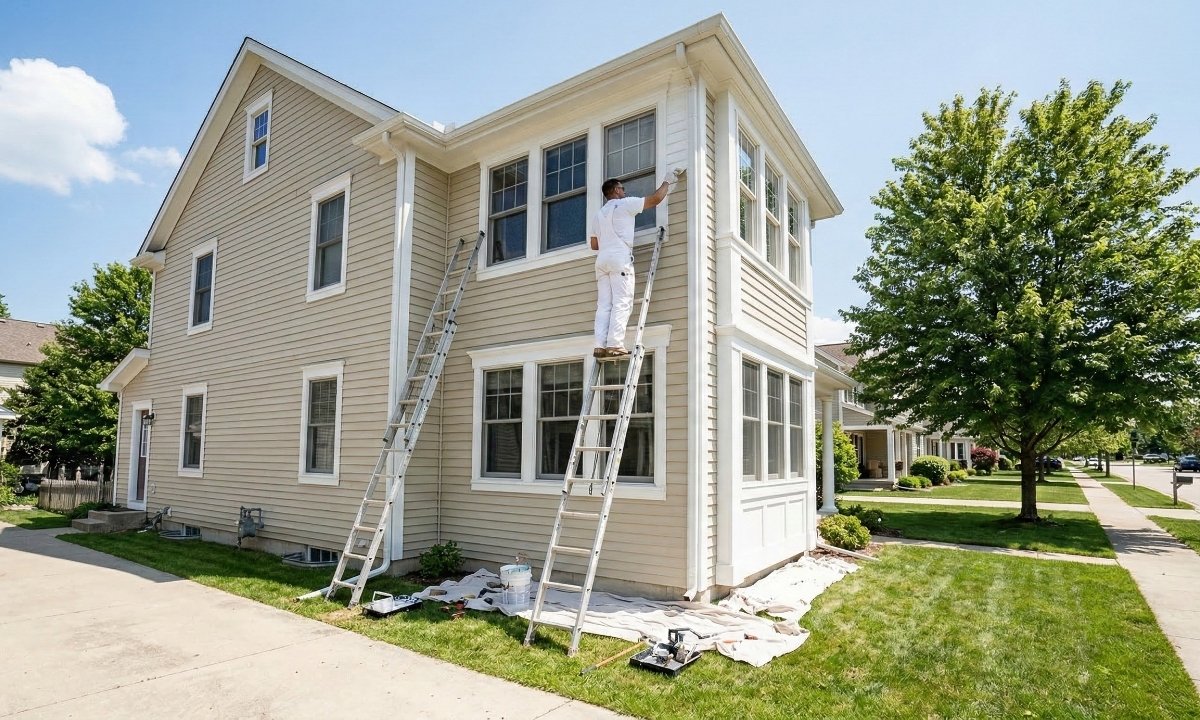
Exterior painting is priced similarly to interior work but involves additional variables including the number of storeys, surface material (wood, brick, stucco, fiber cement), and the extent of prep work required. The table below outlines typical exterior painting cost ranges.
| Home Size | Estimated Cost Range |
| Single-storey home | $3,000 – $6,000 |
| Two-storey home | $5,000 – $10,000 |
| Large home (3+ storeys or 3,000+ sq ft) | $8,000 – $15,000+ |
Exterior jobs often require scaffolding or tall ladders for upper storeys, which adds both cost and time. Surfaces with significant peeling, rot, or weathering will also require more prep, pushing the total higher.
How Ceilings, Trim, and Doors Affect Your Total
Many painting quotes focus on walls by default, leaving ceilings and trim as separate line items. This is important to watch for, because adding these surfaces can meaningfully increase your total. Ceilings add both surface area and difficulty, as painters must work overhead with precision to avoid drips and lap marks. Trim including baseboards, door casings, crown molding, and window frames is meticulous brush work that demands patience and skill. Painting interior doors, especially if they are paneled, is similarly labor-intensive. If you want everything done at once, make sure to ask explicitly for ceilings and trim to be included in the scope when requesting quotes.
How Painters Calculate What to Charge
Professional painters use a few different methods to arrive at a project price. Knowing how these methods work helps you compare quotes more accurately and ask better questions when speaking with contractors.
Pricing by Square Foot (Wall Area, Not Floor Area)
The most precise pricing method is based on paintable square footage and this is where many homeowners get tripped up. When a painter quotes a price per square foot, they are referring to the total area of every wall surface to be painted, not the floor plan of the room. These two numbers are very different. A single 10-by-10-foot room with 8-foot ceilings, for example, contains 320 square feet of wall space across its four walls not 100 square feet as the floor plan might suggest. Ceiling height alone can add hundreds of square feet per room, which is why a quick estimate based on floor area can result in significant underbidding and losses for the contractor, or unexpected charges for the homeowner.
In most markets, professional painters charge between $3 and $6 per square foot of wall surface for interior work. Exterior pricing varies more widely based on surface type and access requirements.
Pricing by the Room: When Painters Use Flat Rates
For smaller or more straightforward jobs, many painters will offer a flat rate per room. This approach bundles an estimated labor time and material cost into one easy-to-understand figure, and it works well when the rooms are relatively standard in size and condition. Flat-rate pricing draws on a painter’s experience a seasoned professional can look at a standard bedroom and know almost exactly how long it will take and how much paint will be needed. This method is less precise on unusual spaces like vaulted rooms, heavily textured walls, or rooms with a large amount of built-in cabinetry.
Hourly Labor Rates and What Affects Them
Some painters quote by the hour, particularly for smaller touch-up jobs or when the full scope of work is difficult to predict before starting. Hourly rates for professional painters typically range from $40 to $80 per hour, depending on the market and the painter’s experience level. Companies with larger crews or specialized skills tend to charge toward the higher end of that range. Independent painters often charge less per hour but may take longer to complete the job without a crew.
The blended rate of a painting crew is also a factor; a team with one senior painter and two juniors will have a different combined hourly cost than a team of all senior painters, and a smart contractor will account for this when building a quote.
Why Small or Cluttered Rooms Can Cost More Per Square Foot
It may seem counterintuitive, but small rooms are often more expensive per square foot than large, open spaces. The reason comes down to the nature of the work. A large open living room allows a painter to use a roller efficiently, covering expansive stretches of wall quickly. A small bathroom, by contrast, requires careful cutting in around a vanity, toilet, shower enclosure, window frame, and door casing all in a confined space where maneuvering is difficult. That precision work takes proportionally more time and skill, which raises the effective cost per square foot. Cluttered rooms that require furniture to be moved or carefully worked around similarly add time and therefore cost.
Key Factors That Raise or Lower Your Final Price
Once you understand the basic pricing structure, it helps to know which specific variables will push your estimate up or pull it down. Some of these are within your control, and others simply reflect the reality of your home.
Paint Quality, Type, and Finish
The paint itself is a significant cost variable. A mid-range gallon of interior paint typically costs between $30 and $50. Premium paints, particularly low-VOC (volatile organic compounds) or zero-VOC formulas known for superior coverage and durability can run $70 or more per gallon. While the upfront cost is higher, premium paints often require fewer coats, cover better over dark colors, and hold up longer to everyday wear and washing.
The finish you choose also affects price. Flat or matte finishes are the most affordable and work well in low-traffic areas like bedrooms and ceilings. Eggshell and satin finishes offer a good balance of durability and washability, making them popular for living rooms and hallways. Semi-gloss and high-gloss finishes are the most durable and moisture-resistant options, ideal for kitchens, bathrooms, and trim work and they carry the highest material cost.
Wall Condition and the True Cost of Prep Work
Preparation work is the invisible foundation of a lasting paint job, and it is the category most commonly cut when a contractor tries to offer a low price. Proper prep includes surface cleaning, filling and sanding holes and cracks, caulking gaps around trim and windows, and applying primer where needed. Each of these steps adds time and, therefore, cost. A wall in poor condition with significant damage, previous patching, water stains, or multiple layers of flaking paint will require substantially more prep than a wall that simply needs a color refresh. Always be upfront about wall conditions when getting quotes, and ask specifically what prep work is included.
Ceiling Height, Home Age, and Access Challenges
Standard 8-foot ceilings are the easiest to work with. Rooms with 10- or 12-foot ceilings add significant paintable surface area and require taller ladders or scaffolding, both of which slow the work and raise the cost. Cathedral or vaulted ceilings are even more complex, often requiring specialized equipment and adding considerable labor time.
Older homes present their own challenges. Properties built before 1978 may contain lead-based paint, which requires certified safe handling procedures and disposal adding both cost and regulatory considerations. Homes with highly textured walls (such as popcorn or knockdown finishes) also require more paint and more time to cover evenly.
Seasonal Demand: Why Summer Jobs Cost More
Painting, like many trades, follows a seasonal demand pattern. Spring and summer are peak seasons, particularly for exterior work, when favorable weather conditions create a rush of bookings. During these periods, painters are often fully booked, and those with availability may charge a premium of 20 to 40 percent above their off-season rate. Scheduling your project in late fall or winter especially for interior work, which is not weather-dependent can result in meaningful savings while still achieving the same quality result.
DIY vs. Hiring a Professional Painter
The appeal of painting your own home is real. On the surface, handling it yourself seems like an easy way to save a significant amount of money. But the true cost comparison between DIY and professional painting is more nuanced than it appears.
The Real Cost of a DIY Paint Job (Beyond Just Materials)
When most people estimate the cost of a DIY paint job, they think primarily about paint. But painting a room properly requires much more than that. You will need quality brushes and rollers (budget brushes shed bristles and leave marks), painter’s tape, drop cloths, patching compound, sandpaper, primer, a sturdy ladder, and protective gear. The materials for a single average-sized room can easily total $200 to $300 before accounting for your time.
And time is the real hidden cost. What looks like a weekend project can stretch across several weekends when you factor in prep, drying time between coats, and the inevitable trips back to the hardware store for supplies you didn’t realize you needed. DIY painting also carries a higher risk of uneven coverage, visible lap marks, bleeding tape lines, and brush marks that detract from the finished look.
What You Are Actually Paying For When You Hire a Pro
When you hire a professional painting service, you are not just paying for paint on walls. You are paying for years of experience that translates into efficient, high-quality work. A professional crew can complete a project in a fraction of the time it would take most homeowners, with results that are visibly cleaner, smoother, and more consistent. They arrive with all the right tools and materials, protect your surfaces properly, and leave the space clean when they are done.
Professional painters are also insured, which protects you from liability if something goes wrong on your property. A good painting company will also stand behind their work with some form of guarantee, something a DIY result can never offer.
When DIY Makes Sense and When It Does Not
DIY painting can be a smart and rewarding choice in the right circumstances. If you have the time, patience, and some previous experience, tackling a single low-stakes room like a spare bedroom is a reasonable project. The savings are real, and the skills you develop are reusable.
However, DIY becomes less sensible for larger projects, spaces with complex details, rooms with high ceilings, or situations where a poor finish would be highly visible or hard to redo. For whole-home repaints, exterior work, or any job where quality and speed matter, the investment in a professional painting service almost always delivers better value than the apparent savings of doing it yourself.
How to Get an Accurate and Trustworthy Quote
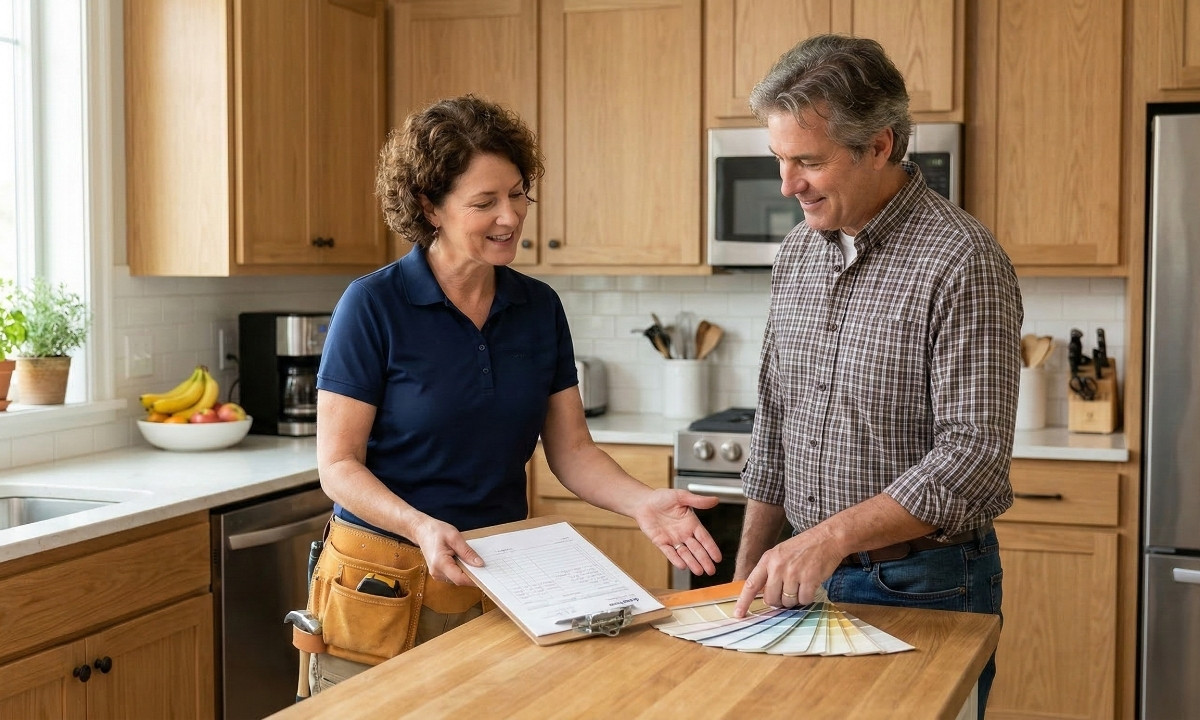
Collecting quotes from painting services is about more than finding the lowest number. It is about finding a contractor who understands your project, communicates clearly, and will deliver what they promise. Here is how to approach the process with confidence.
How to Define Your Project Scope Before Calling Anyone
Before you contact a single painter, take the time to define exactly what you want done. Walk through each space and note which surfaces are to be painted walls only, or walls plus ceilings and trim? Are doors and built-ins included? What is the current condition of the surfaces? Are there any known issues like water damage, mold staining, or significant cracking?
Also decide on your paint preferences if you have them a specific brand, color family, or finish type. The more clearly you can describe the project, the more accurate your quotes will be, and the easier it will be to compare them side by side. Ambiguity in the scope leads to ambiguity in the price and sometimes to surprise charges after the work has started.
Essential Questions to Ask Every Painter You Consider
Treat your conversations with potential painters as an interview. A professional contractor should welcome your questions and answer them clearly. Before agreeing to any quote, make sure you ask the following:
- Are you fully insured, including liability and workers’ compensation coverage?
- Can you walk me through your preparation process for this specific job?
- What brand, type, and finish of paint is included in this quote?
- How many coats are included, and will a primer coat be applied?
- What is the estimated start date and project duration?
- What are the payment terms, and what deposit is required?
- Do you offer any warranty or guarantee on the finished work?
A painter who hesitates on any of these questions or gives vague, non-specific answers is worth approaching with caution.
Red Flags to Watch for in a Painting Quote
Not all quotes are created equal. Some are deliberately vague in ways that allow the contractor to cut corners or charge extras down the line. Watch out for quotes that do not specify the brand or type of paint being used, list only a total price with no breakdown of labor and materials, make no mention of prep work, or lack any reference to insurance. An unusually low quote significantly below the other estimates you have received is almost always a signal that something important has been left out. Quality painting is labor-intensive, and cutting the price usually means cutting the work.
Should You Supply Your Own Paint?
Some painters will allow you to supply your own paint in exchange for a small discount, typically in the range of 5 to 10 percent off the total quote. This can be worthwhile if you have strong preferences about a specific brand or color, or if you have found a good deal on materials. However, there are trade-offs. If the painter encounters problems with paint you have supplied coverage issues, incompatibility with the primer, or the wrong sheen you may share responsibility for the outcome. Most professional painters prefer to source their own materials so they can stand fully behind the result. Discuss this option openly before making a decision.
How to Reduce Your Painting Costs Without Sacrificing Quality
A professional paint job is a worthwhile investment, but that does not mean there is no room to manage costs intelligently. A few strategic choices can bring your final price down without cutting corners on what matters.
Do Your Own Prep Work to Cut Billable Hours
Labor makes up the majority of a painting quote, which means anything you can do to reduce the painter’s time on site will reduce your cost. Before your painting crew arrives, move furniture away from the walls and cluster it in the center of the room. Remove wall hangings, picture frames, and mirrors. Take off switch plates and outlet covers. If you are comfortable with basic repairs, fill small nail holes yourself using spackles and sand them smooth. These steps allow the painter to walk in and get straight to the skilled work they are charging for, rather than spending their first hour on basic logistics.
Schedule in the Off-Season for Better Rates
Demand for painting services peaks in spring and summer, particularly for exterior work. During busy seasons, painters have full books and less incentive to negotiate. In the slower months typically late fall through winter the same painter may be more available, more flexible on price, and more motivated to secure work. For interior projects especially, there is no quality compromise in scheduling during colder months. If your timeline is flexible, booking off-peak can result in real savings without any reduction in the quality of work delivered.
Choose Colors Strategically to Reduce Coats
The number of coats your job requires has a direct impact on both material cost and labor time. If you are painting over a dark color with a significantly lighter one, you should expect to need additional primer and at least two finish coats, sometimes more. Staying within a similar color family as your existing walls can often reduce the job to a single well-applied finish coat over a light primer, saving both paint and the labor to apply extra layers. If you are committed to a dramatic color change, discuss it with your painter upfront so they can account for it accurately in the quote rather than adding it as an extra after work has started.
Bundle Rooms or Projects to Negotiate Better Pricing
Painters spend real time on logistics travel, setup, protection, and cleanup that gets distributed across the total job. When you hire a painter for a single small room, that overhead cost is concentrated in one small project, making the effective rate per square foot higher. When you bundle multiple rooms into a single booking, that overhead gets spread across a larger amount of work, which gives the painter room to offer a better overall rate. If you are planning to repaint multiple spaces over the next year, consider doing them together to take advantage of volume pricing and save on both cost and disruption to your home.
What the Articles Miss – Topics Worth Knowing
Most painting cost guides cover the basics well. But there are a few important questions homeowners commonly have that tend to get overlooked: questions that can make a real difference when you are deciding whether, when, and how to hire a painting service.
How Long Should a Professional Paint Job Last?
A high-quality interior paint job using good materials, proper prep, and two solid finish coats should last anywhere from 5 to 10 years before needing a refresh in most living areas. High-traffic spaces like hallways, kitchens, and children’s rooms may show wear sooner typically after 3 to 5 years. Exterior paint jobs face more environmental stress and generally last between 5 and 7 years, though this varies widely based on climate, sun exposure, and the quality of the original application. Choosing premium paint and ensuring thorough prep work are the two biggest factors in maximizing the lifespan of any paint job.
Do Professional Painters Offer Warranties?
Many professional painting companies offer a workmanship warranty on completed jobs, typically ranging from one to three years. This warranty covers defects in the application, things like peeling, bubbling, or uneven coverage that result from the painter’s technique rather than from external damage or normal wear. Not all painters offer warranties, and the terms vary widely, so it is worth asking specifically what is covered and for how long before you sign any contract. A painter who stands confidently behind their work with a written warranty is generally a more reliable choice than one who does not.
Does a Fresh Paint Job Add Value to Your Home?
A fresh coat of paint is consistently cited by real estate professionals as one of the highest-return investments a homeowner can make before selling. Neutral, contemporary colors appeal to a broader range of buyers, and well-maintained paintwork signals that a home has been cared for overall. Interior repaints are estimated to return between 50 and 100 percent of their cost in added sale value or reduced time on the market. Exterior painting carries similarly strong returns, as curb appeal is one of the first impressions a buyer forms. Even if you are not planning to sell, refreshing your paint improves the daily experience of living in your home, something that has value regardless of the market.
Frequently Asked Questions
Is it cheaper to hire an independent painter or a painting company?
Independent painters typically charge lower hourly rates, usually in the range of $40 to $60 per hour, compared to $60 to $80 per hour for an established painting company. However, the lower hourly rate does not always translate to a lower final cost. Companies often bring larger crews, complete work faster, carry full insurance coverage, and offer warranties that independent painters may not. For smaller, straightforward jobs, an experienced independent painter can offer excellent value. For larger projects or those requiring multiple workers and strict timelines, a company may ultimately be the more cost-effective choice when all factors are considered.
Are ceilings and trim included in a standard painting quote?
In most cases, no. Standard painting quotes typically cover walls only, with ceilings and trim listed as additional line items. This is because ceilings and trim require different techniques, different paint, and significantly more time. Always confirm exactly which surfaces are included when you receive a quote, and ask for a separate price for ceilings and trim so you can make an informed decision about what to include in your project.
How long does a professional interior paint job take?
A single standard room painted by a professional typically takes one to two days from prep through final coat and cleanup. A full interior repaint of a 2,000 square foot home with a standard two-person crew generally takes between four and seven days. Larger homes, complex layouts, high ceilings, or significant prep work can extend timelines further. Always ask for an estimated start and completion date when reviewing quotes so you can plan accordingly.
What paint finish should I choose, and does it affect the price?
Yes, paint finish affects both material cost and suitability for the space. Flat or matte finishes are the most affordable and best suited to ceilings and low-traffic walls, though they are harder to clean. Eggshell and satin finishes cost slightly more but offer better washability and are the most popular choice for living spaces. Semi-gloss and high-gloss finishes are the most durable and moisture-resistant, making them ideal for kitchens, bathrooms, and all trim work. They carry the highest material cost but are worth the investment in areas that see heavy use or frequent cleaning.
How many quotes should I get before hiring a painter?
Getting three to five quotes is widely recommended, and for good reason. Multiple quotes give you a realistic sense of the going rate for your specific project, reveal how different painters approach the same scope of work, and create healthy competition that can work in your favor. More importantly, the process of collecting quotes forces each painter to articulate their process and their pricing, which gives you valuable insight into their professionalism before any work begins. Avoid selecting based on price alone a quote that is significantly below the others should be examined closely to understand what has been left out.
Conclusion
Key Takeaways Before You Hire a Painter
Understanding how much a painting service costs means understanding more than just numbers; it means understanding what drives those numbers and how to evaluate them honestly. Here are the most important points to carry with you as you plan your project:
- Labor accounts for 60 to 85 percent of most painting quotes. The quality of that labor is what separates a result that lasts a decade from one that starts failing in two years.
- Prep work is the most commonly cut corner and the most critical factor in a lasting finish. Always ask what prep is included before accepting any quote.
- Wall surface area and floor area are very different numbers. Make sure your painter is pricing based on actual paintable surface, not floor plan square footage.
- Ceilings and trim are usually not included in a standard quote always confirm the full scope of what is being covered.
- Seasonal timing, color choice, and doing your own basic prep can all reduce costs without compromising quality.
- A warranty, clear scope, and transparent material specifications are signs of a trustworthy painter. Vague quotes and unusually low prices are warning signs.
Ready to get started? The best next step is to define your scope clearly, reach out to three to five local painting professionals, and use the questions and red flags outlined in this guide to evaluate each quote with confidence. A great paint job is one of the most cost-effective ways to transform your home and with the right contractor, it is an investment that pays for itself.