
If you are looking around your home and wondering when to pick up a paintbrush, you are likely asking: how long does interior paint last before it loses its luster? While a fresh coat of paint completely transforms a room, that pristine finish does not stay flawless forever. Understanding the true lifespan of your wall coatings is essential for maintaining your home’s value and visual appeal.
In this comprehensive guide, we will break down exactly how long does interior paint last across different rooms, surface types, and traffic conditions. We will also look at the clear warning signs that indicate your home needs an immediate aesthetic update. With the right maintenance tips and premium materials, you can extend your paint’s durability and keep your living spaces looking beautiful for years to come.
The Short Answer: How Long Does Interior Paint Last on Average?
On average, high-quality interior paint lasts between 5 to 10 years. However, this wide timeline exists because paint durability is heavily influenced by room usage, moisture exposure, wall prep, and foot traffic. A formal dining room that sees minimal activity will retain its look far longer than a hectic entryway or a humid bathroom.
When evaluating how long does interior paint last, homeowners must consider the specific environmental stressors placed on each individual room. Premium formulations withstand daily wear much better than budget alternatives. Choosing the correct paint type for the correct application ensures your investment stands the test of time.
Room-by-Room Lifespan Breakdown
Different areas of your home experience vastly different levels of wear and tear. To help you plan your next home improvement project, let’s explore how the lifespan of interior paint shifts depending on the room.
+———————+——————-+—————————————————+
| Room Type | Average Lifespan | Primary Wear Factors |
+———————+——————-+—————————————————+
| Kitchens & Baths | 3 to 5 Years | Moisture, grease, frequent washing |
| Hallways & Stairs | 3 to 5 Years | Scuffs, physical impacts, fingerprints |
| Living & Dining | 5 to 7 Years | Fading from sunlight, minor scuffs |
| Adult Bedrooms | 7 to 10 Years | Low traffic, minimal ambient moisture |
| Children’s Rooms | 3 to 5 Years | Marker stains, toys, heavy scrubbing |
| Ceilings | 10+ Years | Gravity, rising dust, smoke |
+———————+——————-+—————————————————+
Kitchens and Bathrooms (3 to 5 Years)
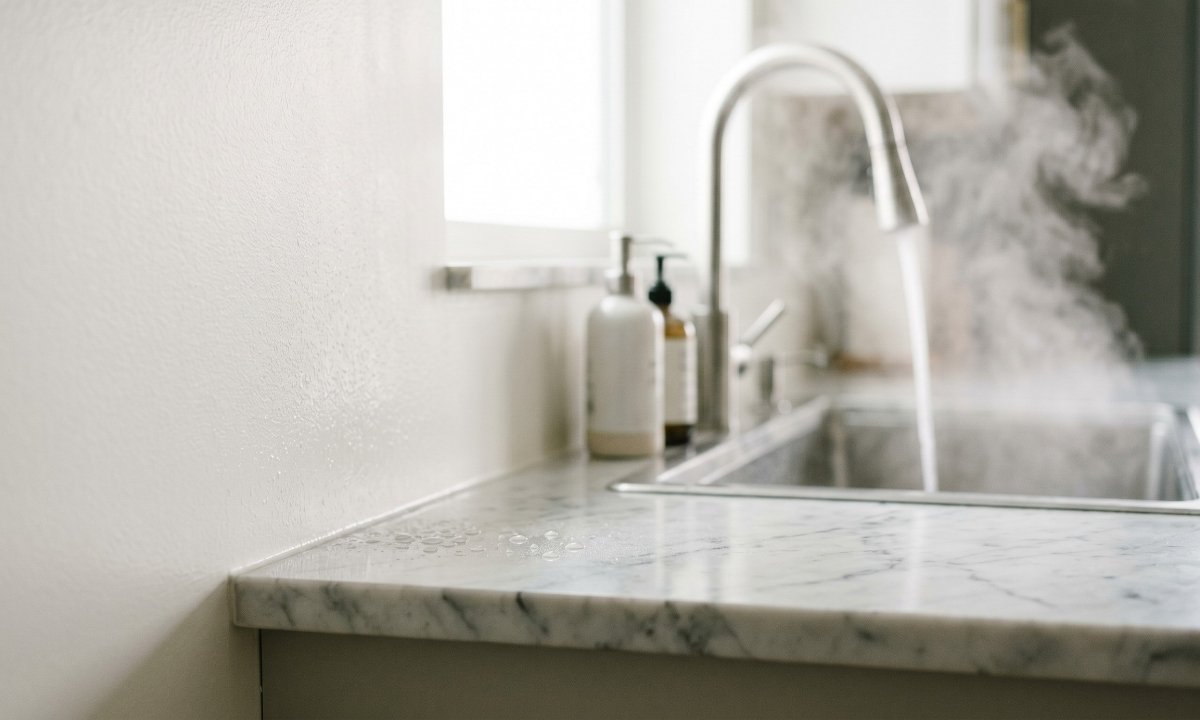
Kitchens and bathrooms are the toughest environments for any wall coating. These spaces experience frequent temperature fluctuations, high humidity, airborne grease, and direct water splashes.
Because these walls require regular cleaning, the paint film breaks down much faster under the stress of chemical cleaners and scrubbing. Using a moisture-resistant satin or semi-gloss finish is vital to reaching that 5-year mark.
Hallways, Entryways, and Staircases (3 to 5 Years)
High-traffic zones act as the highways of your home. Hallways and entryways take a constant beating from swinging bags, muddy shoes, moving furniture, and wandering hands.
You will notice scuff marks, dents, and localized discoloration accumulating rapidly in these zones. To maximize durability here, opt for scuff-resistant formulas and tougher paint finishes that tolerate frequent wiping.
Living Rooms and Dining Rooms (5 to 7 Years)
Living and dining rooms experience moderate, predictable traffic. While these walls suffer fewer direct impacts than hallways, they are highly susceptible to UV fading from large windows.
Over time, consistent sunlight breaks down paint pigments, causing colors to lose their original depth. You will typically need to repaint these rooms to restore color vibrancy rather than to fix physical damage.
Bedrooms (5 to 10 Years)
The lifespan of bedroom paint depends largely on who sleeps there. Master bedrooms and guest rooms are low-traffic sanctuaries where paint can easily look pristine for up to a decade.
Children’s bedrooms, conversely, are active play zones. These walls frequently encounter crayons, markers, toys, and sticky fingers, dropping their paint lifespan down to 3 to 5 years due to aggressive cleaning needs.
Ceilings (10+ Years)
Ceilings are the unsung heroes of interior design, rarely touched by human hands or furniture. Consequently, ceiling paint can last well over a decade before requiring maintenance.
The primary enemies of ceiling paint are gravity, rising smoke, cooking oils, and unseen water leaks from upper floors or roof damage. If you notice yellowing or peeling on your ceiling, address the underlying moisture issue immediately.
Crucial Factors Influencing Paint Durability
To truly understand how long does interior paint last in your specific home, you must look beyond room types and evaluate the core variables that affect paint chemistry and adhesion.
- Paint Quality: Budget paints contain fewer solid binders and more liquids, leading to a thinner dry film. Premium paints utilize high-quality acrylic resins that cure into a durable, flexible barrier.
- The Right Sheen: Flat and matte finishes hide wall imperfections beautifully but lack scrub resistance. Gloss and semi-gloss sheens provide a hard, non-porous surface that repels stains and handles moisture gracefully.
- Surface Preparation: Paint requires a clean, dry, stable surface to bond correctly. Skipping wall cleaning, sanding, or priming guarantees early paint failure, peeling, and bubbling.
- Application Technique: Applying coats too thin reduces durability, while applying them too thick causes sagging and improper curing. Utilizing professional tools ensures an even, resilient layer.
Warning Signs: When It Is Time for an Interior Paint Refresh
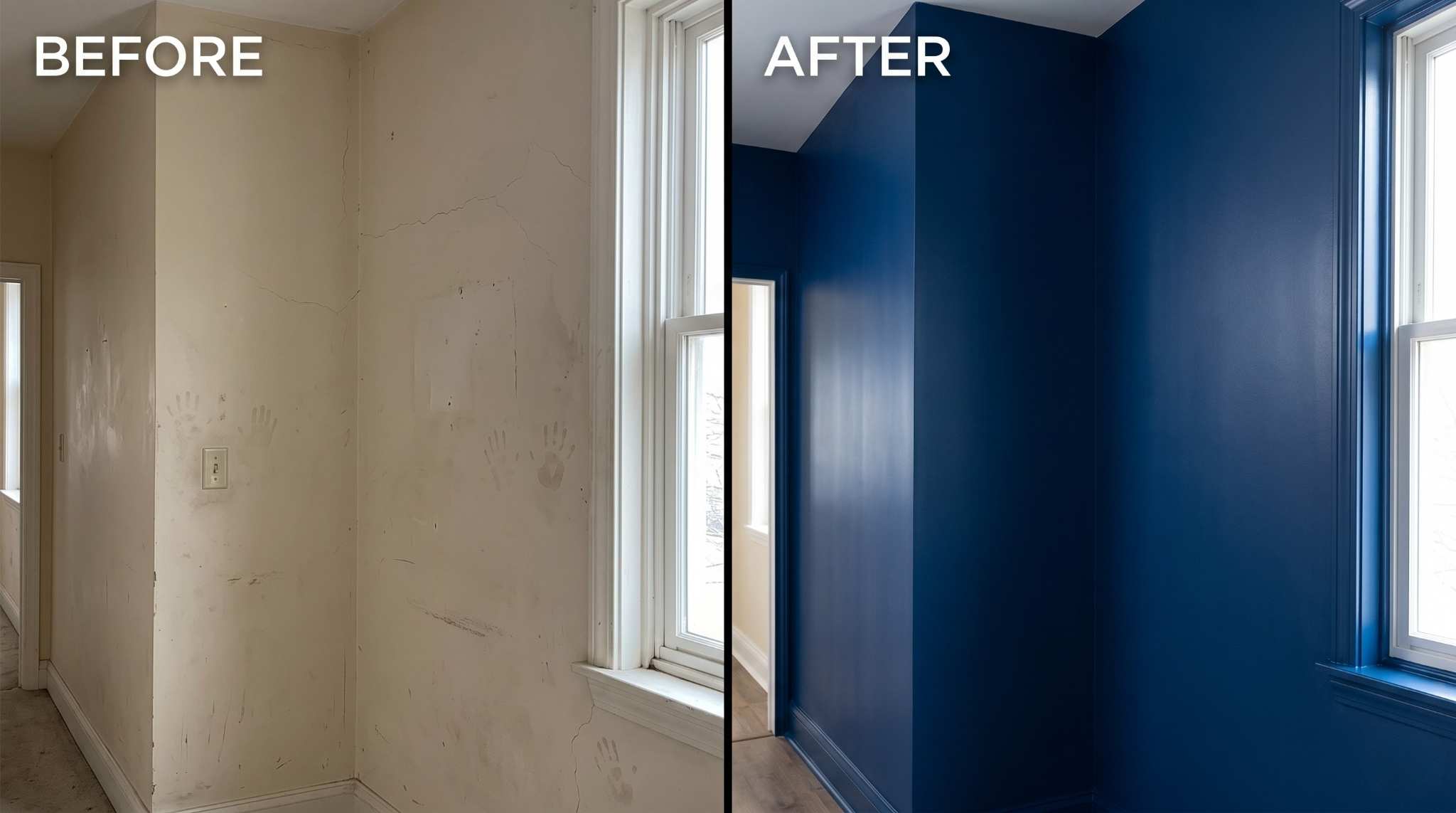
You do not always have to wait for a specific number of years to pass before refreshing your home. Your walls will tell you exactly when they need attention through several distinct warning signs.
1. Fading and Discoloration
Constant exposure to UV rays degrades the chemical bonds within paint pigments. If you rearrange your artwork or move a couch and notice a stark color difference on the wall behind it, your paint has faded significantly. This dullness ages your home and reduces ambient light reflection.
2. Peeling, Flaking, and Cracking
When paint loses its adhesion to the underlying drywall or primer, it begins to crack and flake away. This is a severe sign of paint failure, often triggered by moisture trapped behind the paint film or poor initial surface preparation. Once peeling starts, the only solution is to scrape, prime, and repaint the surface.
3. Stubborn Scuffs and Permanent Stains
Over the years, walls collect a mosaic of fingerprints, pet dander, grease patches, and scuff marks. If you attempt to clean your walls and find that the stains refuse to budge-or worse, the paint rubs off onto your sponge-the paint film has disintegrated. A fresh coat is needed to restore a hygienic, clean appearance.
4. Changing Trends and Lifestyle Shifts
Sometimes, the paint is structurally sound, but the color palette no longer fits your life. Outdated colors can make an otherwise beautiful home feel stuck in a previous decade. Refreshing your interior paint allows you to adapt your home’s mood to modern design trends or your evolving personal style.
Pro Tips to Extend the Lifespan of Your Interior Paint
If you want to stretch the years between your home improvement projects, implementing proper maintenance and application strategies makes an enormous difference. Follow these expert tips to maximize your paint investment.
- Invest in Premium Paint: Always buy the highest quality paint your budget allows. Premium paints offer superior coverage, hide blemishes better, and provide exceptional washability.
- Never Skip the Primer: Primer seals porous drywall, blocks old stains from bleeding through, and provides an ideal chemical bond for your topcoat. Using it ensures your paint adheres perfectly.
- Clean Walls Gently: Dust your walls regularly using a soft microfiber cloth. When tackling stains, use a mild dish soap solution and a non-abrasive sponge. Avoid harsh chemical cleaners that strip paint sheens.
- Manage Indoor Humidity: Use exhaust fans in kitchens and bathrooms during and after cooking or showering. Dehumidifiers help maintain stable indoor humidity levels, preventing moisture from compromising your paint bond.
- Keep Touch-Up Paint Handy: Save leftover paint from your project in a tightly sealed, temperature-controlled space. Addressing minor scuffs and dings immediately prevents small blemishes from turning into widespread wall damage.
Choosing the Right Sheen for Maximum Longevity
Selecting the correct paint finish is just as vital as choosing the right color. The sheen level directly dictates how well the surface resists moisture, stains, and physical contact.
Flat and Matte Finishes
Flat finishes absorb light, making them exceptional at hiding drywall imperfections, bumps, and seams. However, they are highly porous and absorb oils and dirt easily. Keep flat paint limited to low-traffic ceilings and adult bedrooms where cleaning needs are rare.
Eggshell and Satin Finishes
Eggshell offers a soft, velvety glow with slightly better durability than flat paint, making it perfect for dining rooms. Satin steps up the durability and gloss level significantly, offering an easy-to-clean surface that works wonderfully in family rooms, kids’ bedrooms, and foyers.
Semi-Gloss and High-Gloss Finishes
These sheens reflect a high amount of light and cure into an incredibly hard, sleek, and moisture-resistant surface. They are the absolute gold standard for baseboards, trim, doors, cabinets, kitchens, and bathrooms. While they do highlight wall flaws, their extreme washability makes them indispensable for high-wear areas.
FAQ: Common Questions About Interior Paint Lifespan
How can you tell if leftover paint in the can is still good to use?
Leftover liquid paint can last up to 10 years if stored properly in an airtight container away from freezing temperatures. To check if it is still usable, open the can and smell it. If it has a foul, sour, or rancid odor, bacteria has compromised the mix. Additionally, stir the paint thoroughly; if it remains chunky, contains stringy bits, or won’t blend smoothly, it should be discarded.
Does cheap paint wear out significantly faster than premium paint?
Yes, budget paints contain less acrylic resin and fewer high-grade pigments, resulting in a thinner, less flexible dry film. Cheap paints chip, fade, and scuff much easier under daily wear. Premium paints use superior binders that create a resilient chemical matrix, requiring fewer coats to cover surfaces and providing significantly higher washability over time.
Why is the paint in my bathroom peeling so soon after application?
Early peeling in bathrooms is almost always caused by moisture intrusion or poor surface preparation. If paint is applied over damp walls or without a dedicated moisture-resistant primer, the high humidity from showers penetrates the paint film. This destroys the adhesive bond, causing the paint to bubble, crack, and peel away from the drywall.
Is it necessary to sand walls before applying a fresh coat of paint?
Sanding is a critical step for paint longevity, especially when painting over an existing semi-gloss or glossy finish. Lightly abrading the surface with fine-grit sandpaper creates a microscopic texture, often called a “tooth,” which allows the new paint coat to mechanically grip the old layer. Skipping this step often leads to poor adhesion and premature flaking.
Can I paint over old interior paint without using a primer?
If the existing paint is clean, smooth, in good structural condition, and you are using a similar color or a paint-and-primer-in-one product, you can often skip separate priming. However, if you are transitioning from a dark color to a light color, painting over glossy sheens, or repairing drywall patches, a dedicated primer coat is mandatory for an even finish and long-term durability.
Conclusion: Ready to Revitalize Your Home’s Interior?
Determining how long does interior paint last boils down to assessing your home’s unique layout, lifestyle, and traffic patterns. While premium paints on quiet walls can easily look immaculate for up to a decade, high-traffic hubs require more frequent attention to remain bright, clean, and welcoming. Keeping an eye out for fading, scuffs, and peeling ensures you catch paint wear before it compromises your home’s underlying structure.
If your walls are showing signs of aging, or if you are ready to completely transform your living spaces with a stunning color update, the experts at Caleb’s Creations are here to help. We combine top-tier craftsmanship with ultra-premium materials to deliver flawless, long-lasting interior painting solutions tailored to your unique style. Contact us today to schedule your personalized color consultation and bring your dream home aesthetic to life!