
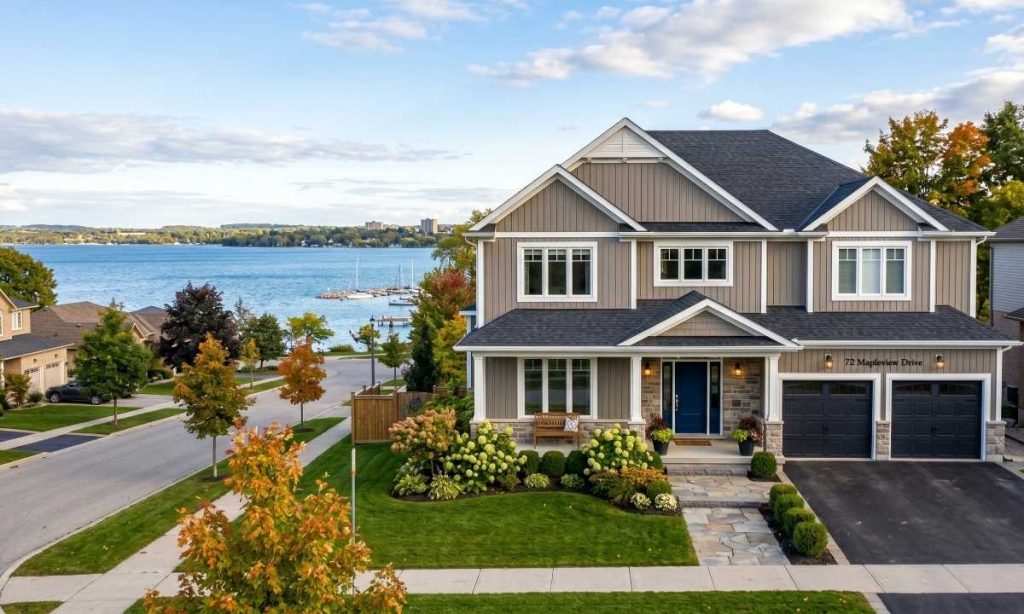
Living in the Lake Simcoe basin offers an incredible lifestyle. However, for homeowners in Barrie, Newmarket, and Aurora, this unique weather system hides a costly secret. The region’s hyper-local micro-climate creates a profoundly hostile environment for exterior paint.
If you own property in these growing hubs, you have likely noticed that standard paint jobs fail prematurely. While a typical exterior coating in downtown Toronto might survive 7 to 10 years, homes battered by Simcoe weather patterns often show signs of severe damage in just a few seasons.
This rapid decay isn’t bad luck-it’s physics. In this comprehensive guide, we break down exactly why our regional weather destroys exterior coatings and outline the professional painting protocols required to stop it permanently.
The Science Behind the Damage: Why Simcoe Weather Destroys House Paint
To stop your paint from peeling, you must first understand the atmospheric conditions attacking it. A micro-climate forms when a specific area experiences distinct weather patterns separate from the broader region. Locally, the massive thermal presence of Lake Simcoe drives extreme weather down the 400 and 404 corridors, directly impacting your home’s exterior.
1. The Summer Humidity Trap
The Lake Simcoe basin generates a relentless cycle of high humidity. Throughout the summer, evaporating lake moisture blankets surrounding communities. For exterior paint, this humidity acts as the ultimate enemy during the crucial curing process.
When the air remains saturated, the water in latex paint cannot evaporate properly. This disruption creates a weak, unstable molecular bond between the new paint and your siding. Furthermore, this heavy humidity causes rapid nighttime cooling. Thick evening dew settles on fresh paint before it hardens, softening the resins and compromising your home’s protective barrier.
2. The Brutal Winter Freeze-Thaw Cycle
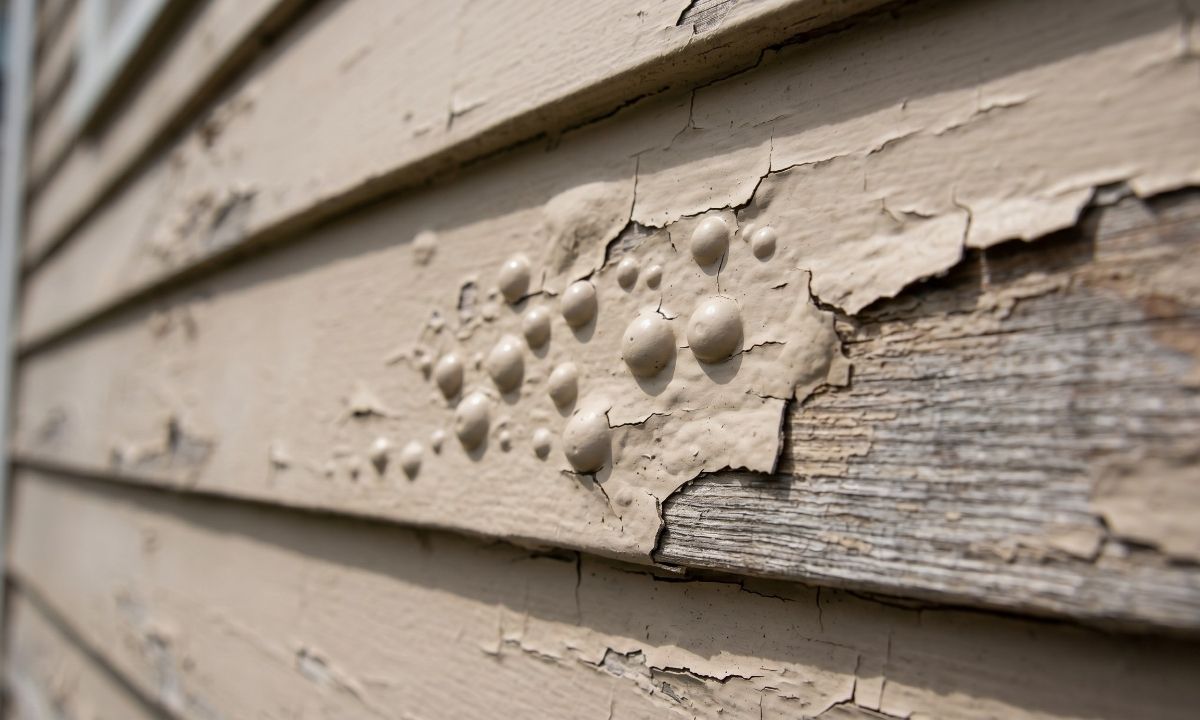
While humidity dominates the summer, the freeze-thaw cycle serves as winter’s primary weapon. Barrie, Newmarket, and Aurora face extreme, rapid temperature swings.
During a sunny winter day, melting snow and ambient moisture seep deep into the microscopic pores of your wood or masonry. As the sun sets and temperatures plummet, that trapped water freezes solid. Because water expands by 9% when frozen, this internal ice creates immense pressure. It literally forces the paint off your home from the inside out. In our region, this violent cycle repeats dozens of times in a single season.
3 Common Exterior Paint Failures in the Simcoe Region
Recognizing the early symptoms of climate-based damage helps you protect your investment before rot sets in. Here are the three most frequent paint failures we inspect on local homes.
I. Moisture Blistering and Bubbling
Small to medium-sized bubbles forming beneath the paint film-particularly on wood siding-stand out as the most common regional failure.
- The Cause: “Osmotic pressure” drives this bubbling. Moisture gets trapped behind the paint because the wood absorbed high ambient humidity prior to application.
- The Standard: The Canadian Paint and Coatings Association (CPCA) dictates that wood moisture content must remain below 15% before painting. Guessing when wood is truly dry without a professional digital moisture meter is a costly mistake.
II. Intercoat Peeling (Flaking Paint)
When large flakes of paint peel away to reveal an older color underneath, your home has suffered an adhesion failure.
- The Cause: This happens when painters fail to remove micro-contaminants. In bustling suburban environments like Aurora and Newmarket, airborne vehicle exhaust mixes with high humidity to coat your siding in an invisible, greasy film. If you paint over this film, the new coat bonds to the dirt instead of the house.
- The Solution: Proper adhesion demands rigorous chemical decontamination. (Read more in our Complete Guide to Exterior House Preparation.)
III. Surfactant Leaching and Mildew Growth
Do you notice brown, sticky streaks bleeding down your siding, or black spots multiplying in the shadows of your eaves?
- The Cause: When paint dries too slowly in humid conditions, the water-soluble ingredients (surfactants) that keep the paint blended rise to the surface. This reaction leaves a sticky residue that actively traps dirt and breeds mold spores.
The Weatherproof Painting Protocol: 3 Steps to Lasting Results
To survive the fierce temperature swings and heavy moisture of Barrie, Newmarket, and Aurora, standard painting techniques simply fail. You need a specialized protocol engineered for high-fluctuation environments.
Step 1: Meticulous Substrate Preparation
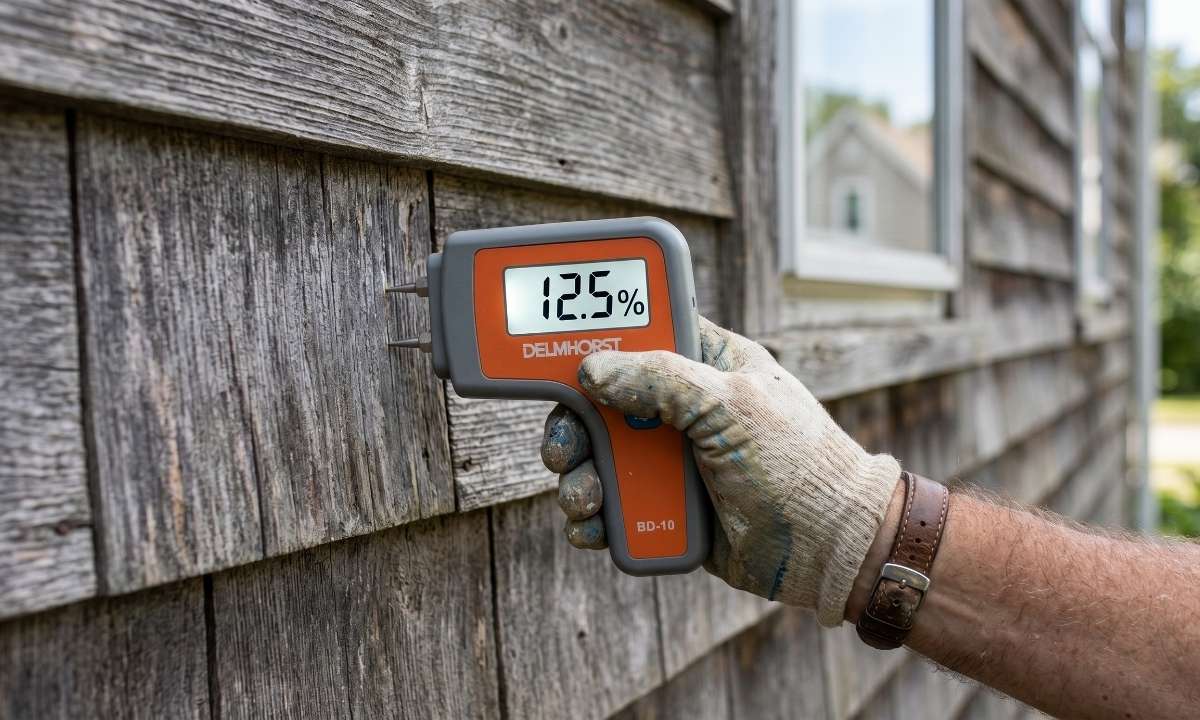
In the Simcoe climate, preparation dictates 80% of a project’s success.
- Mechanical Sanding: Scraping loose paint solves nothing. You must heavily “feather” the edges of the remaining paint to seal out moisture.
- Biological Decontamination: We deploy specialized antimicrobial washes to eradicate hidden mildew spores. Painting over a single live spore guarantees it will multiply and destroy the new coat.
- Moisture Testing: Professional exterior painters rely on digital moisture meters to verify the substrate is absolutely ready for application.
Step 2: Advanced Weather-Resistant Chemistry
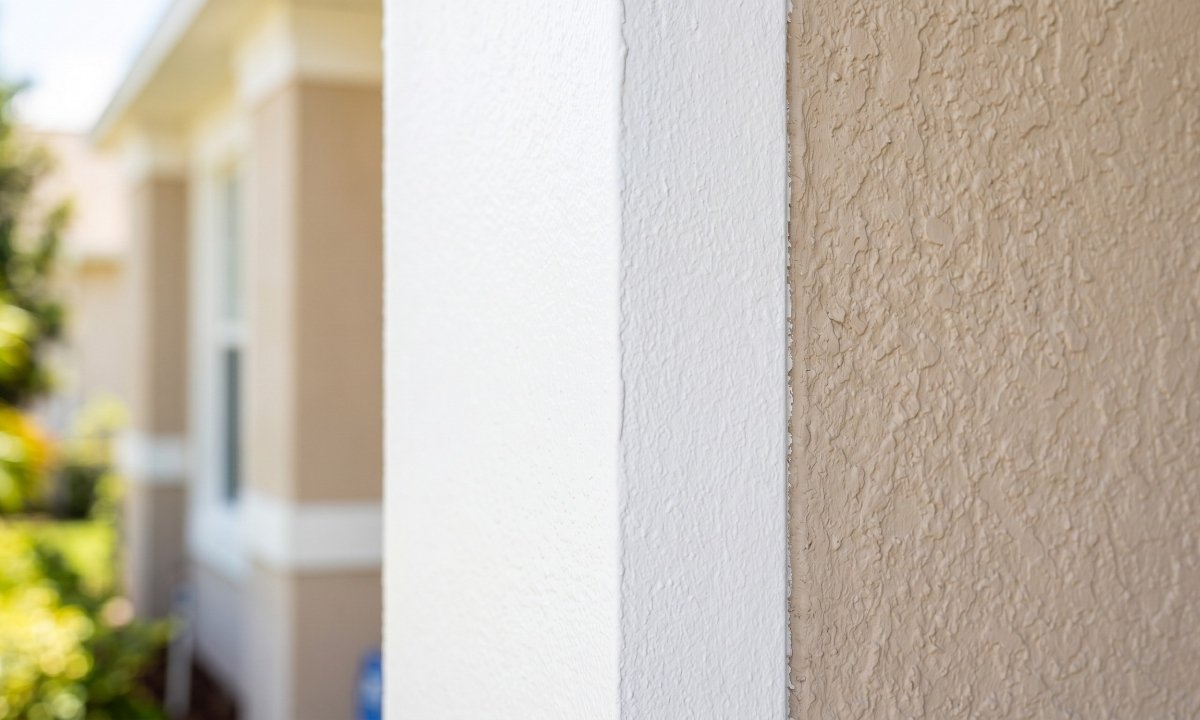
Skip the cheap, builder-grade buckets. True weather resistance requires premium chemistry:
- 100% Acrylic Resins: Acrylic remains thermoplastic and highly flexible. When your home expands in the Aurora summer heat and contracts in the Barrie winter cold, premium acrylic stretches instead of cracking.
- Elastomeric Coatings: For masonry or stucco exteriors, elastomeric paints provide the ultimate defense. They stretch up to 200% of their original size, forming a flexible, waterproof rubber membrane over your home.
Step 3: High-Tack Moisture Priming
In high-humidity zones, “paint-and-primer-in-one” products fail to protect your home. A dedicated, high-tack primer builds a vital bridge between the raw siding and the final topcoat. For older wood, deeply penetrating alkyd (oil-based) primers block natural wood tannins and lock out destructive ambient moisture.
The “Golden Window”: The Best Time to Paint Your Home in Ontario
The most frequent mistake homeowners make is painting at the wrong time of year. Because of our local climate, the safe application window remains surprisingly narrow.
| Weather Factor | Ideal Application Conditions | The Danger Zone |
| Air Temperature | 15°C to 25°C | Below 10°C (Resins fail to fuse) |
| Surface Temperature | Ambient and shaded | Direct, intense sunlight (Paint dries too fast and fails to bond) |
| Relative Humidity | Below 50% | Above 70% (Drying takes days, inviting dew damage) |
Professional Insight: For Barrie, Newmarket, and Aurora, the optimal exterior painting window typically runs from late June to early September. Painting too early in the spring traps dormant winter moisture inside your siding, while painting in late fall risks overnight frost destroying the paint’s curing process.
Protect Your Most Valuable Asset Today
Our regional weather is relentless, but it doesn’t have to ruin your home’s curb appeal. By understanding the local climate science and utilizing materials engineered for extreme flexibility, you can break the frustrating cycle of constant repainting.
Whether you need to protect a historic property in downtown Newmarket or update a modern family home in Barrie or Aurora, the core principles of longevity remain the same: Meticulous Preparation, Advanced Chemistry, and Precision Timing.
Stop the Peeling Cycle
Do not wait for another harsh winter to inflict further damage on your siding. Professional weatherproofing serves as the single most cost-effective strategy to protect your property value.
Ready to secure your home’s exterior?
Explore our Exterior Painting Services to see how we protect homes in your neighborhood, or Contact Us Today for a Free Weatherproofing Consultation to get started.