
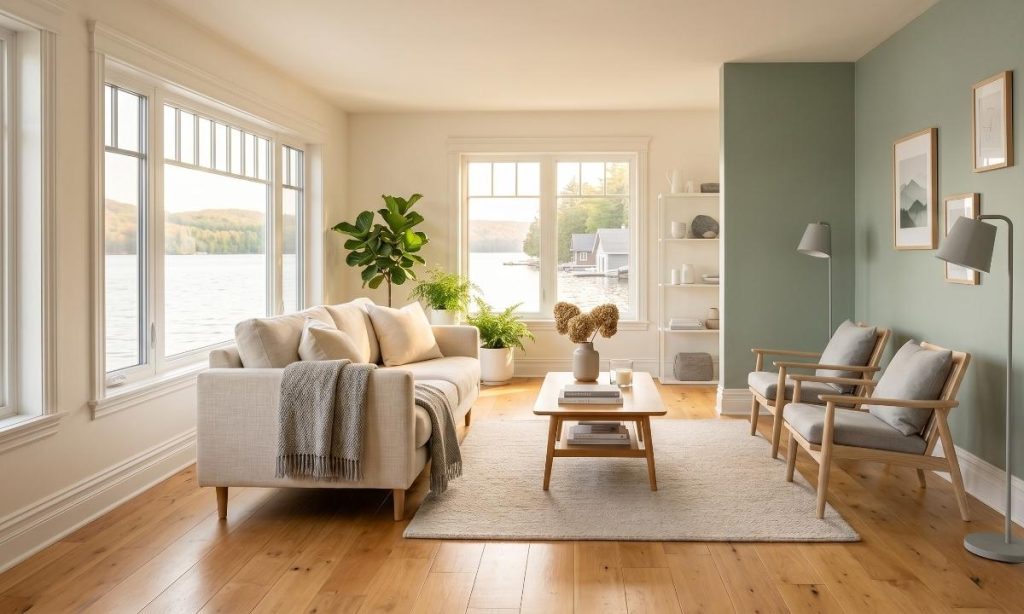

The power of a fresh coat of paint to completely transform a room is magical. Whether you’re looking to breathe new life into a dull living room or add a splash of vibrancy to your bedroom, a strategic paint job can make a world of difference. However, the cost of such projects can quickly add up, deterring many from taking the plunge.
What if you could achieve that stunning makeover without overspending?
This guide is packed with clever, budget-friendly interior painting hacks designed to give your space a facelift without the hefty price tag.
- Plan Your Approach
Before diving into your project, it’s crucial to plan accordingly. Selecting a color scheme that harmonizes with your furniture and decor will contribute significantly to the project’s success. Use free online tools to visualize the new look, and always test paint samples on your walls to see how they interact with the light throughout the day. This step prevents costly mistakes and ensures satisfaction with the outcome. Understand that colors play a vital role in influencing mood, underscoring the importance of this aspect in your planning process.
- Shop Smart
Hunting for deals on paint and supplies can lead to significant savings. Many stores offer discounts on mis-tinted or returned paints. These can be high-quality paints in unique colors, available for a fraction of the original price. Also, consider purchasing paint in larger quantities to save money in the long run. Look for sales and promotions at nearby hardware stores or online outlets. Subscribing to newsletters can also keep you updated on upcoming deals, allowing you to take advantage of the best prices.
- Borrow Tools, Don’t Buy
Borrowing painting tools and accessories from friends or family can significantly cut costs. Most people have rollers, brushes, and trays lying around. If you must buy, opt for multi-use tools and accessories that offer good value for money. This approach saves money and promotes a sense of community and sharing. Additionally, consider renting high-quality tools for a fraction of the purchase cost, especially for one-time-use items.
- Prepare Your Space
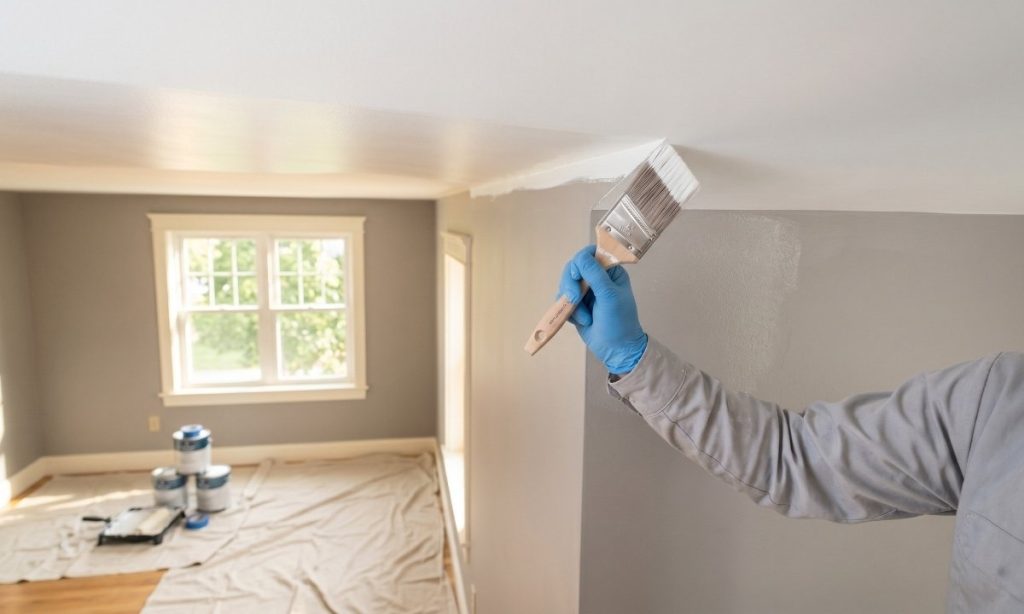
Properly preparing your room is crucial for a smooth painting and achieving superior results. Cleaning walls thoroughly, repairing holes or cracks, and taping off edges are critical steps. Proper preparation reduces the amount of paint required and minimizes the need for touch-ups. Investing time in preparation can also protect your furnishings and floors, saving you from potential damage costs.
- Use Primer Wisely
If you’re painting over a dark color or patchy walls, using a primer can save on the cost of additional paint layers. A tinted primer, matched to your final color, can reduce the number of topcoats needed, making your paint go further. Primers also help cover imperfections and ensure a uniform surface, enhancing the finished look significantly.
- Master the Art of Paint Application
Applying paint efficiently can reduce waste. Techniques like ‘cutting in’ around edges before using a roller can minimize the use of painter’s tape. Also, loading your brush or roller with the right paint can reduce drips and the need for multiple coats. It conserves paint and saves time and effort, creating a more enjoyable painting experience.
- Make Your Own Tools
Get creative with DIY tools. For example, a sponge wrapped in a plastic bag can mimic the effect of more expensive texturing tools. This approach adds unique touches to your walls without requiring specialized products. Creating your own stencils from cardboard for patterns or designs can also add a personal touch to your walls without extra cost.
- Keep It Clean
Maintaining a clean workspace and tools can extend the life of your painting supplies. Wash rollers and brushes thoroughly after use, and store them properly. This way, you won’t have to purchase new tools for every project. This habit saves money and respects the environment by reducing waste.
- Embrace Minimalism
Sometimes, less is more. Rather than painting the entire room, explore creating an accent wall or incorporating stencils to embellish specific sections. It saves paint and introduces a dynamic element to your space. Focusing on smaller, impactful projects can satisfy the desire for change without the commitment of a complete room overhaul.
- Recycle and Repurpose
Be resourceful with leftover paint. Mix small amounts of similar shades to create custom colors for small projects or touch-ups. It reduces waste and gives you unique shades at no extra cost. Additionally, consider using leftover paint for furniture projects or to refresh baseboards and trim, further unifying your space’s design.
- Educate Yourself
Take advantage of free online tutorials and workshops. Learning proper painting techniques and tips from experts can improve your efficiency, reduce waste, and help you achieve professional-looking results without the expense of hiring professionals. Knowledge is power, and in the realm of DIY painting, it can be the key to unlocking incredible transformations.
- Stay Organized
Keep track of your painting supplies and leftovers. Proper organization prevents the unnecessary repurchase of materials and helps you utilize what you already have for future projects. Dedicate a space in your home for painting supplies, and maintain an inventory. By choosing these alternatives, you can save money while being more mindful of your resource consumption.
Conclusion
Transforming your space with paint doesn’t have to drain your wallet. These hacks are designed to guide you through the process, ensuring you save money while bringing your vision to life. Remember, the most impactful transformations often come from the smallest changes. So, pick up that brush and let the colors do the talking. By embracing these budget-friendly strategies, you’ll create a beautiful living environment and enjoy the satisfaction of a well-executed project. Ready to transform your space? Reach out to Caleb’s Creations for all your interior painting needs!