
Standing in the paint aisle with a dozen identical-looking swatches can be overwhelming, especially once you realize color is only half the decision. Choosing the right paint finish for every room is just as important as picking the perfect shade, because sheen level affects durability, cleanability, and how light bounces off your walls. Get it wrong, and you’ll be repainting sooner than you’d like. Get it right, and your home will look polished and hold up for years.
In this guide, we’ll break down every paint finish type, show you exactly which sheen works best in which room, and help you avoid the costly mistakes most homeowners make. By the end, you’ll be able to walk into any hardware store and know precisely what to ask for.
What Is Paint Finish (Sheen) and Why It Matters
Paint finish, also called sheen, refers to how much light a dried paint surface reflects. The finish you choose affects three major things: how durable the wall is, how easy it is to clean, and how imperfections in your walls show up under light.
Higher sheen levels (like semi-gloss) reflect more light, are more durable, and wipe clean easily – but they also highlight every dent, crack, and roller mark. Lower sheen levels (like flat or matte) hide imperfections beautifully but are harder to clean and more prone to marking.
This is exactly why picking the correct paint finish for every room matters so much. A finish that’s perfect for a hallway could look completely wrong – and perform poorly – in a nursery or a home office.
The 6 Main Paint Finish Types Explained
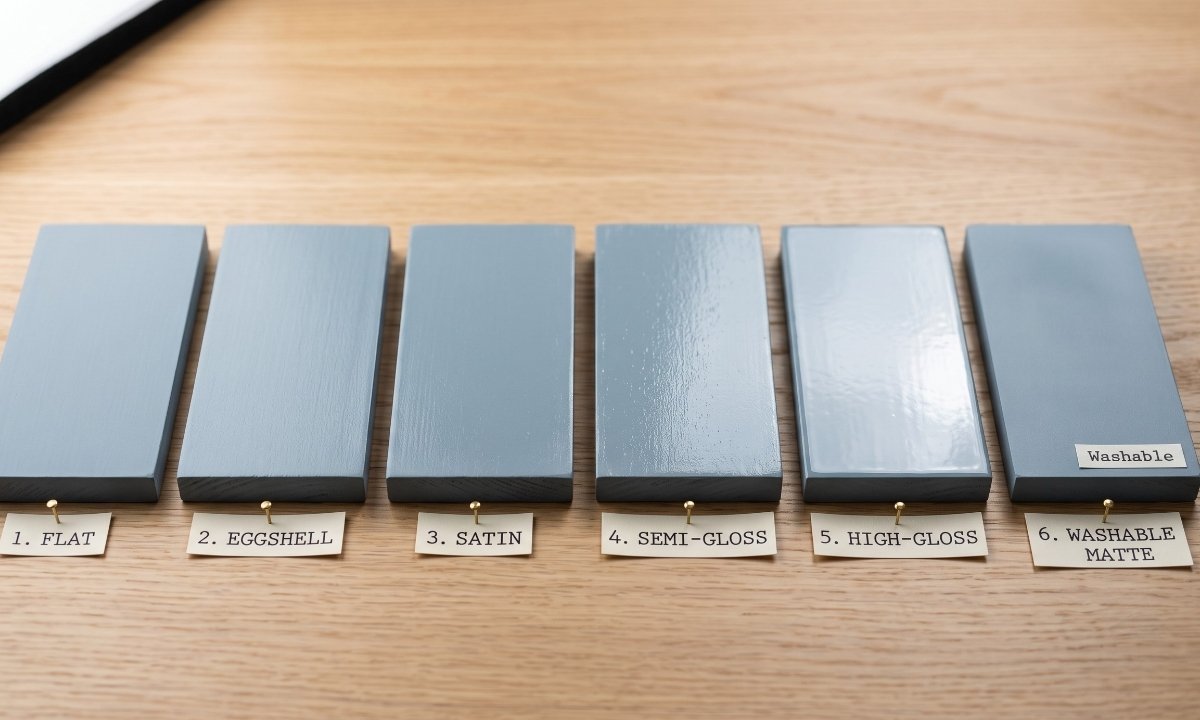
Before matching finishes to rooms, it helps to understand what’s actually available on the shelf. Most paint brands offer six standard paint sheen levels, ranging from zero shine to a mirror-like gloss.
Flat or Matte Finish
Flat (sometimes labeled matte) paint has no shine at all. It absorbs light rather than reflecting it, which makes it excellent at hiding surface flaws like drywall seams, nail pops, and uneven texture.
The tradeoff is durability. Flat paint scuffs easily and is difficult to wipe clean without leaving a shiny patch behind. It’s best reserved for low-traffic vertical surfaces and ceilings.
Eggshell Finish
Eggshell sits just above flat on the sheen scale, offering a soft glow similar to, well, an eggshell. It’s one of the most popular residential wall finishes because it strikes a balance between hiding imperfections and offering light durability.
Eggshell is a safe, versatile default for most living spaces where you want a warm, low-glare look without sacrificing all washability.
Satin Finish
Satin has a noticeably smoother, velvety sheen and is significantly more washable than eggshell or flat. It resists moisture and mild staining, making it a favorite for busier rooms.
Because satin reflects a bit more light, it can show roller marks or patchwork touch-ups more than flatter finishes, so application technique matters.
Semi-Gloss Finish
Semi-gloss delivers a noticeably shiny, reflective surface that stands up to moisture, grease, and heavy scrubbing. It’s the go-to choice for trim, doors, cabinets, and rooms that see constant humidity.
The higher shine does mean surface prep needs to be near-perfect, since semi-gloss highlights every imperfection underneath it.
High-Gloss Finish
High-gloss is the shiniest, most durable, and most reflective option available. It’s essentially liquid glass once cured, making it ideal for furniture, cabinetry, doors, and accent trim rather than full walls.
Because of its intensity, high-gloss is rarely used on large wall surfaces in residential homes – it’s a finish reserved for details, not the whole room.
Washable Matte Finish
A newer hybrid category, washable matte combines the flat, no-shine look homeowners love with stain-resistant technology that allows for light scrubbing. It’s a great compromise for people who want a modern matte look in higher-traffic rooms like mudrooms or family rooms.
How to Choose the Right Paint Finish for Every Room
Now that you understand the finish types, here’s how to match them to specific spaces in your home.
Living Rooms and Dining Rooms
These are moderate-traffic social spaces where you want a warm, inviting look. Eggshell or satin finishes are ideal – they offer a soft glow, hide minor wall imperfections, and are durable enough to withstand occasional cleaning.
Bedrooms
Bedrooms see the least foot traffic and the least contact with hands, spills, or moisture. A flat or eggshell finish works beautifully here, emphasizing a cozy, non-reflective atmosphere that’s easy on the eyes at night.
Kitchens
Kitchens deal with grease splatter, steam, and frequent wipe-downs, so durability is non-negotiable. Satin or semi-gloss finishes stand up to scrubbing without losing their look, making them the smartest paint finish for high-traffic areas like this.
Bathrooms
Moisture is the enemy in bathrooms, and the wrong finish will trap humidity and encourage mildew. The best paint finish for bathrooms is satin or semi-gloss, both of which resist water absorption and wipe clean easily.
Hallways and Entryways
These narrow, high-contact spaces take a beating from bags, pets, and passing shoulders. A washable matte or satin finish provides the scuff resistance these zones need while keeping a clean, modern appearance.
Kids’ Rooms and Playrooms
Crayon marks, sticky fingerprints, and general chaos make washable eggshell or satin the practical choice, offering enough sheen for easy cleanup without looking overly glossy.
Trim, Doors, and Cabinets
Regardless of room, trim and doors benefit from a semi-gloss or high-gloss finish. The added shine makes woodwork pop against wall color while standing up to constant hand contact.
Ceilings
Ceilings almost always use a flat finish, since there’s no need for durability overhead and flat paint minimizes glare and shadow lines from overhead lighting.
Paint Finish Comparison Chart
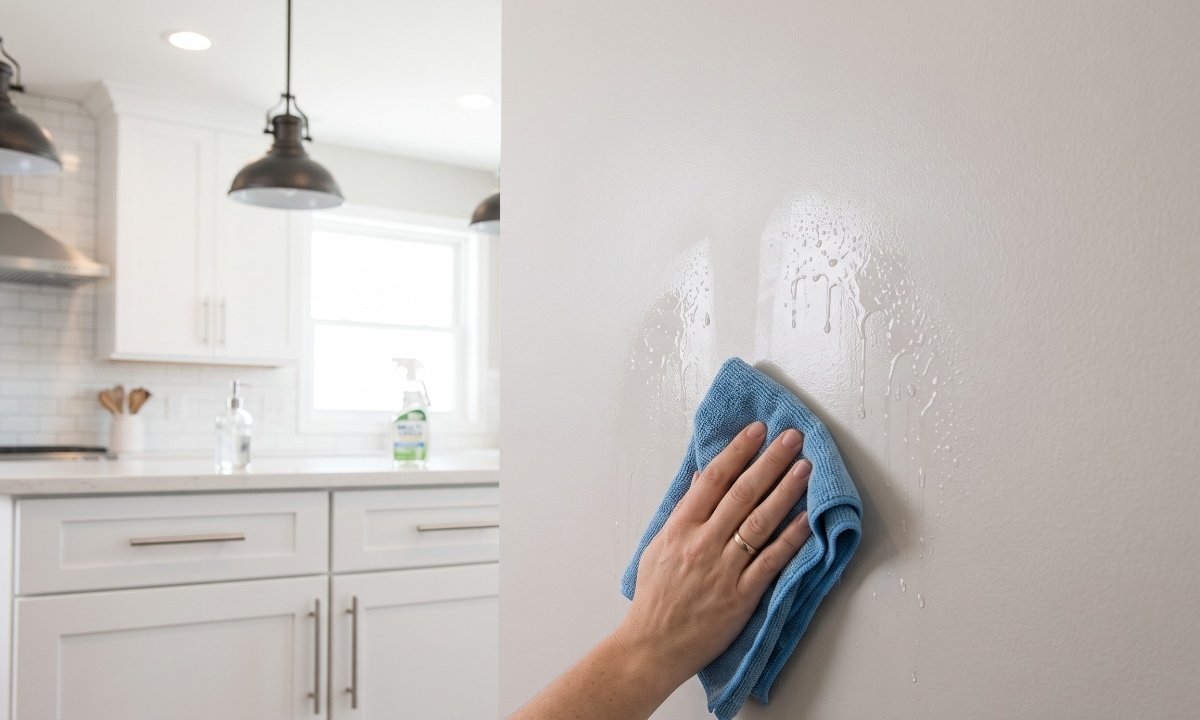
Use this quick-reference table to compare all six finishes side by side.
| Finish | Sheen Level | Durability | Best For | Cleanability |
| Flat/Matte | None | Low | Ceilings, adult bedrooms, low-traffic walls | Low |
| Eggshell | Low | Moderate | Living rooms, bedrooms, dining rooms | Moderate |
| Satin | Medium | High | Kitchens, bathrooms, hallways, kids’ rooms | High |
| Semi-Gloss | High | Very High | Trim, doors, cabinets, bathrooms | Very High |
| High-Gloss | Very High | Highest | Accent trim, furniture, cabinetry | Highest |
| Washable Matte | None (matte look) | High | Mudrooms, family rooms, high-traffic walls | High |
Key takeaway: as sheen goes up, durability and cleanability go up too – but so does the visibility of surface flaws underneath.
Common Paint Finish Mistakes to Avoid
Even experienced DIYers fall into a few predictable traps when selecting sheen levels.
- Using flat paint in high-traffic zones – it looks great on day one but shows scuffs and stains within weeks.
- Choosing high-gloss for entire walls – it’s overwhelming at scale and magnifies every wall imperfection.
- Ignoring humidity – using a non-washable finish in bathrooms or kitchens invites mildew and peeling.
- Mixing sheens inconsistently – patchy touch-ups in different finishes create visible sheen mismatches under light.
- Skipping surface prep – higher-sheen paints are unforgiving of dents, cracks, or uneven drywall texture.
Avoiding these missteps is often the difference between a paint job that looks professional for years and one that needs a redo within a single season.

Frequently Asked Questions
What is the most popular paint finish for walls? Eggshell is the most commonly used wall finish in residential homes because it balances a soft, low-glare look with enough durability for everyday living spaces like living rooms and bedrooms.
Is satin or eggshell better for a kitchen? Satin is generally the better choice for kitchens because it offers stronger resistance to grease, steam, and frequent wiping compared to eggshell, which is better suited to lower-moisture rooms.
What paint finish hides wall imperfections best? Flat or matte finishes hide imperfections best because they absorb light rather than reflecting it, minimizing the appearance of dents, seams, and uneven texture.
Can I use semi-gloss on all my walls? It’s not recommended for entire walls in most homes, since semi-gloss reflects a lot of light and will highlight every surface flaw. It’s better reserved for trim, doors, and small accent areas.
How do I know if a finish is washable? Check the product label for terms like “washable,” “scrubbable,” or “stain-resistant.” Satin, semi-gloss, and washable matte options are specifically engineered to handle repeated cleaning without losing their finish.
Conclusion
Choosing the right paint finish for every room comes down to balancing three factors: how much foot traffic and moisture a space sees, how much durability and cleanability you need, and how much you want the finish to hide (or highlight) wall imperfections. Flat and eggshell finishes suit calm, low-traffic rooms, while satin and semi-gloss handle the wear and tear of kitchens, bathrooms, and hallways. Trim and cabinetry benefit from the extra shine and toughness of semi-gloss or high-gloss paint.
Armed with this room-by-room breakdown and comparison chart, you’re ready to walk into your next project with total confidence in your sheen selection.
Ready to get the finish right the first time? If you’d rather leave the sheen selection, surface prep, and flawless application to the professionals, reach out to a trusted local painting team for a free consultation and quote on your next room refresh.