
If you’ve been putting off repainting your home’s exterior, timing your project correctly could mean the difference between a finish that lasts a decade and one that peels within a single season. The best time to paint the exterior of your home in Ontario is during the late spring through early fall – but the window is narrower than most homeowners expect. Ontario’s climate is uniquely demanding, with freezing winters, humid summers, and volatile shoulder seasons that can sabotage even the most carefully planned paint job.
This guide breaks down exactly when to paint, what conditions to look for, which months to avoid, and how to get a professional, long-lasting result – whether you’re doing it yourself or hiring a pro like Caleb’s Creations.
Why Timing Is Everything for Exterior Painting in Ontario
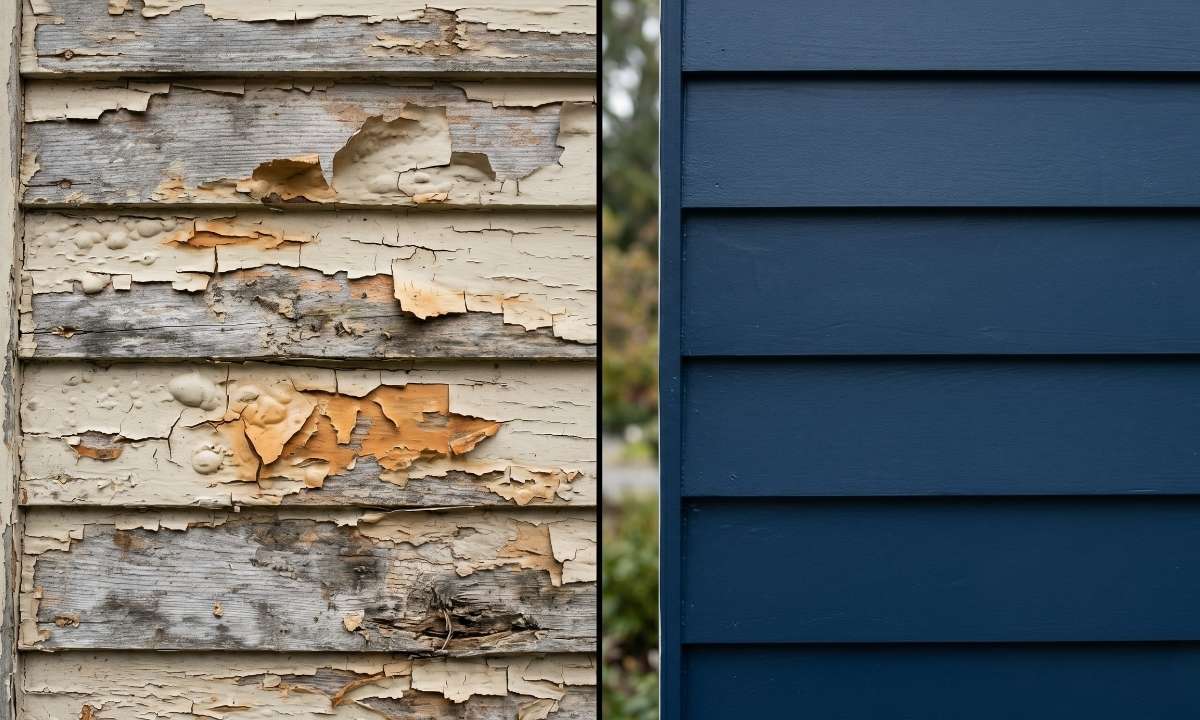
Paint isn’t just cosmetic – it’s your home’s primary barrier against moisture, UV damage, and freeze-thaw cycles. When paint is applied in the wrong conditions, it fails to bond properly to the surface, leading to bubbling, cracking, peeling, and premature fading.
Ontario’s climate is classified as humid continental, meaning it experiences four distinct seasons with significant temperature swings. What works for a homeowner in Vancouver or Texas won’t necessarily apply here.
The two biggest enemies of a good exterior paint job are:
- Temperature extremes (too hot or too cold)
- High humidity and moisture in the substrate
Getting both of these variables right is what separates a paint job that holds up for 8–12 years from one that starts failing within 12 months.
The Best Time to Paint Your Home’s Exterior in Ontario
Late Spring: May to Early June
Late May through early June is one of the best windows for exterior painting in Ontario. Temperatures are typically in the comfortable 15°C–24°C range, humidity is moderate, and surfaces have had time to dry out after winter and spring snowmelt.
This period gives your paint the ideal curing conditions – not so hot that the paint dries too fast on the surface while remaining wet underneath, and not so cold that proper adhesion becomes impossible.
Watch for:
- Overnight temperatures dropping below 10°C (still possible in May)
- Rainy stretches, which are common in late spring
- Surfaces that may still hold residual moisture from snowmelt
Pro tip: Check the forecast for at least 48 hours of dry weather before you begin, and verify that surfaces haven’t absorbed moisture from recent rain.
Summer: Mid-June Through August
Summer is the most popular time for exterior painting projects in Ontario – and for good reason. The weather is predictably warm, daylight hours are long, and rain, while possible, is easier to plan around.
However, peak summer in Ontario comes with its own risks. When temperatures exceed 30°C, paint can skin over on the surface before the layers below have a chance to cure. This traps solvents and moisture inside the film, leading to bubbling and poor adhesion.
Best practices for summer painting in Ontario:
- Paint in the early morning or late afternoon to avoid direct, intense sunlight
- Choose paint products rated for application in higher temperatures
- Stay off surfaces that are in direct sunlight and hot to the touch – wait until they cool
- Keep an eye on the humidex, not just the temperature
Despite these considerations, July and August remain highly viable months for exterior painting, especially for experienced painters who know how to manage heat and sun exposure throughout the workday.
Early Fall: September to Mid-October
Early fall is arguably the single best time of year to paint your home’s exterior in Ontario. Here’s why:
- Temperatures cool down to an ideal 12°C–22°C range
- Humidity tends to drop after the August peak
- There’s less intense UV exposure, meaning paint can cure more evenly
- Surfaces are dry and have been warmed by months of summer sun
September and early October give you a wide, reliable painting window without the scorching heat of midsummer or the unpredictability of spring. Many professional painting companies in Ontario consider this their preferred season for large exterior projects.
The cutoff: Once you approach late October, overnight temperatures begin flirting with 5°C or lower – the threshold at which most exterior latex paints stop adhering and curing properly. Do not push past mid-October without checking both daytime highs and overnight lows carefully.
Months to Avoid for Exterior Painting in Ontario
Late October Through April: Ontario’s No-Paint Zone
This six-month stretch is the riskiest period to attempt exterior painting in Ontario, and most professional painters won’t book exterior projects during it. Here’s the breakdown by season:
| Season | Months | Key Risks |
| Late Fall | Oct 15–Nov 30 | Temperatures too low, early frost, shrinking daylight |
| Winter | Dec–Feb | Freezing temps cause paint failure, ice on surfaces |
| Early Spring | March–April | Freeze-thaw damage, high moisture in surfaces, unpredictable weather |
Why cold weather wrecks exterior paint:
When temperatures drop below 10°C, latex paint – the most commonly used exterior product – begins to thicken, loses its ability to flow and level properly, and struggles to form the film needed for adhesion. Below 5°C, most latex paints will simply fail to cure. Oil-based paints are somewhat more tolerant of cold, but they come with their own VOC and application challenges.
If paint freezes during or after application – which is entirely possible on an October night in Ontario – the result is a chalky, powdery finish that will peel away completely come spring.
Early spring is equally treacherous. Surfaces that look dry may still hold moisture absorbed during the freeze-thaw cycles of winter. Painting over a moisture-laden surface traps that water beneath the film, and when it eventually escapes, it takes your paint with it.
The Ideal Weather Conditions for Exterior Painting
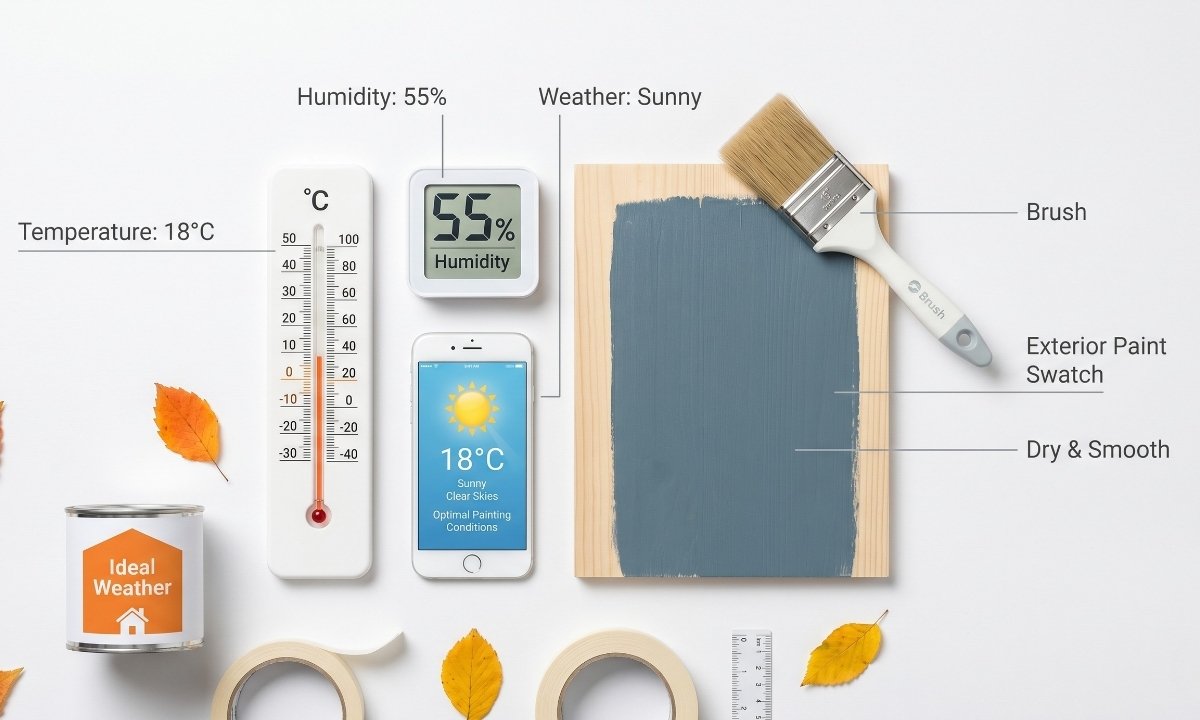
Regardless of the month, always assess actual weather conditions before you pick up a brush or spray gun. The calendar is a guide, but conditions on the ground matter most.
Optimal painting conditions in Ontario:
- Air temperature: 12°C–27°C during application and for at least 24 hours after
- Surface temperature: Between 10°C and 35°C – check with a surface thermometer
- Relative humidity: Below 85%, ideally 40–70%
- Wind speed: Low to moderate – high wind speeds cause uneven drying and carry debris
- Rain: No rain forecast for at least 24–48 hours before and after application
- Dew point: Be cautious when the air temperature approaches the dew point – condensation on surfaces can ruin adhesion
Always read your product’s technical data sheet (TDS). Every exterior paint formula specifies minimum and maximum application temperatures. Following these specs isn’t optional – it’s what keeps your warranty valid and your finish intact.
How Ontario’s Regional Climate Affects Your Timing
Ontario is a large province, and conditions vary meaningfully depending on where you live.
Southern Ontario (Toronto, Hamilton, London, Windsor)
Southern Ontario has the most forgiving climate for exterior painting in the province. You can generally count on a reliable window from mid-May to mid-October – roughly five months of viable painting conditions. Windsor, being the southernmost city in Canada, sometimes extends this window into early November.
Central Ontario (Barrie, Orillia, Muskoka)
Expect cooler springs and earlier falls. The safe painting window here shrinks to approximately early June to early October – closer to four months. Frost can arrive in late September in higher elevations, so plan your fall painting projects accordingly.
Eastern Ontario (Ottawa, Kingston)
Ottawa’s continental climate brings colder winters and springs than Toronto. Late May through late September is the most reliable window. Fall arrives earlier here, and late October temperatures can drop sharply overnight, cutting off your painting season faster than in Southern Ontario.
Choosing the Right Exterior Paint for Ontario’s Climate
Timing your project perfectly matters less if you’re using the wrong product. Ontario’s climate demands exterior paints specifically formulated for:
- Freeze-thaw resistance – the expansion and contraction of substrates through seasonal cycling
- UV stability – Ontario summers bring strong UV exposure that causes fading and chalking
- Moisture resistance – critical given Ontario’s humid summers and wet springs
- Flexibility – paints that remain flexible through temperature swings won’t crack the way rigid films do
Premium 100% acrylic latex paints are the gold standard for Ontario exteriors. Brands like Sherwin-Williams Emerald Exterior, Benjamin Moore Aura Exterior, and PPG Timeless are trusted by professional painters for their durability in Canadian climates.
Avoid lower-grade vinyl-acrylic formulas for full repaints – they’re fine for touch-ups but lack the performance needed for Ontario’s demanding weather cycles.
Preparing Your Home’s Exterior Before Painting
No matter how perfect the weather conditions are, proper surface preparation is what determines how long your paint job lasts. Skipping prep is the most common reason exterior paint fails prematurely.
The essential prep checklist:
- Clean the surface thoroughly – Power wash all siding, trim, and soffits to remove dirt, mildew, chalking, and old paint residue. Allow surfaces to dry completely (typically 48–72 hours after washing).
- Scrape and sand – Remove all loose, flaking, or peeling paint. Feather the edges so there are no ridges where water can infiltrate.
- Repair damaged areas – Fill cracks, holes, and rotted wood before priming. Replace any wood that is structurally compromised.
- Apply a quality primer – Primer is non-negotiable on bare wood, repaired areas, and surfaces with significant staining. It seals the substrate and gives your topcoat something strong to bond to.
- Caulk all gaps – Seal around windows, doors, trim, and any joints where water could enter. Use a paintable, exterior-grade polyurethane or siliconized acrylic caulk.
Rushing prep to save time is the single most expensive shortcut you can take. A full repaint that fails in two years costs far more – in money, time, and disruption – than doing it right the first time.
DIY vs. Hiring a Professional Painter in Ontario
Many homeowners consider tackling exterior painting themselves, and for smaller projects on single-storey homes, it’s certainly achievable. But there are compelling reasons to bring in a professional, especially for larger or more complex projects.
When DIY can make sense:
- Small, single-storey home with simple siding
- You have experience with exterior prep and painting
- You own or can rent appropriate equipment (sprayer, scaffolding, ladders)
- You have flexibility to pause and restart based on weather conditions
When to hire a professional:
- Two-storey or taller homes (safety and equipment)
- Complex architectural details, stucco, or masonry surfaces
- Significant prep work required (heavy scraping, wood repairs)
- You want a warranty on the workmanship
A professional painter like Caleb’s Creations brings:
- Deep knowledge of Ontario’s climate and how it affects paint performance
- Access to contractor-grade materials at better pricing
- Proper equipment for efficient, even application
- Workmanship guarantees that protect your investment
The average cost of a professional exterior paint job in Ontario ranges from $3,000 to $8,000+ depending on home size, complexity, and prep requirements. When spread over a 10-year lifespan, that’s a highly cost-effective investment in your home’s protection and curb appeal.
Frequently Asked Questions About Exterior Painting in Ontario
Can you paint the exterior of a house in Ontario in the fall?
Yes – early fall is actually one of the best times to paint your home’s exterior in Ontario. September and early October typically offer ideal conditions: cooler temperatures, lower humidity, and dry surfaces. The key is wrapping up the project before overnight lows start hitting 5–10°C, which is generally mid-to-late October depending on your location in the province.
What is the minimum temperature to paint the exterior of a house in Ontario?
Most exterior latex paints require a minimum application temperature of 10°C, both for the air and the surface. Some cold-weather formulas extend this down to 4°C, but these are specialty products with specific application requirements. Applying paint below these thresholds prevents proper film formation and curing, leading to adhesion failure.
How long does exterior paint last in Ontario?
A quality exterior paint job in Ontario, applied in proper conditions with thorough prep work, should last 8–12 years before requiring a full repaint. Touch-ups and maintenance painting can extend this further. Factors that reduce lifespan include poor surface prep, incorrect product selection, and application outside of recommended temperature ranges.
How many coats of paint does an exterior house need?
Most exterior repaints require two coats of topcoat, plus a coat of primer on bare, repaired, or previously unpainted surfaces. Skipping the second coat is a common cost-cutting mistake – a second coat adds significantly to the depth, coverage, and durability of the finish. Some dark or dramatically colour-changed surfaces may benefit from an additional coat.
Should I paint my house before or after the winter in Ontario?
Painting before winter – ideally in September or early October – is generally the better choice, provided conditions allow. Fresh paint that has cured fully through fall is better protected against winter’s freeze-thaw cycles than bare or deteriorated paint. However, if you’ve missed the fall window, wait until late May the following year rather than rushing a paint job in spring conditions that aren’t yet suitable.
Conclusion: Time It Right for a Finish That Lasts

Painting your home’s exterior in Ontario isn’t just a cosmetic project – it’s a critical maintenance investment that protects your home against one of the most demanding climates in North America. The best time to paint is during the late spring, summer, and early fall months, roughly mid-May through mid-October, with September standing out as the sweet spot for ideal conditions.
The keys to a long-lasting result are straightforward: wait for the right temperature and humidity window, prepare your surfaces thoroughly, choose high-quality products rated for Canadian climates, and don’t cut corners on primer or the second topcoat.
Whether you’re planning a DIY project or looking for a professional who knows Ontario’s climate inside and out, Caleb’s Creations is here to help. Contact us today for a free exterior painting consultation and let’s get your home looking – and protected – its absolute best.